Archives
- 2026-06
- 2026-05
- 2026-04
- 2026-03
- 2026-02
- 2026-01
- 2025-12
- 2025-11
- 2025-10
- 2025-09
- 2025-03
- 2025-02
- 2025-01
- 2024-12
- 2024-11
- 2024-10
- 2024-09
- 2024-08
- 2024-07
- 2024-06
- 2024-05
- 2024-04
- 2024-03
- 2024-02
- 2024-01
- 2023-12
- 2023-11
- 2023-10
- 2023-09
- 2023-08
- 2023-07
- 2023-06
- 2023-05
- 2023-04
- 2023-03
- 2023-02
- 2023-01
- 2022-12
- 2022-11
- 2022-10
- 2022-09
- 2022-08
- 2022-07
- 2022-06
- 2022-05
- 2022-04
- 2022-03
- 2022-02
- 2022-01
- 2021-12
- 2021-11
- 2021-10
- 2021-09
- 2021-08
- 2021-07
- 2021-06
- 2021-05
- 2021-04
- 2021-03
- 2021-02
- 2021-01
- 2020-12
- 2020-11
- 2020-10
- 2020-09
- 2020-08
- 2020-07
- 2020-06
- 2020-05
- 2020-04
- 2020-03
- 2020-02
- 2020-01
- 2019-12
- 2019-11
- 2019-10
- 2019-09
- 2019-08
- 2019-07
- 2019-06
- 2019-05
- 2019-04
- 2018-11
- 2018-10
- 2018-07
-
Bcl Family Set I br Significance Ubl post translational modi
2019-08-21
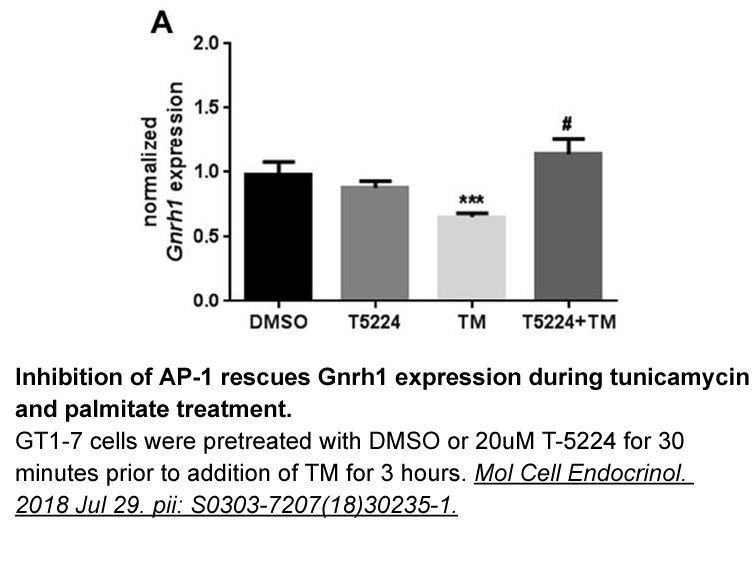
Significance Ubl post-translational modifications are potential targets for developing novel therapeutics for life-threatening diseases, such as c-Myc- and KRas-driven cancers that lack targeted therapy. However, only a few drugs are available to target these modifications. This lack of drugs hig
-
br Acknowledgment We thank Professor Yuh Chang Sun
2019-08-21
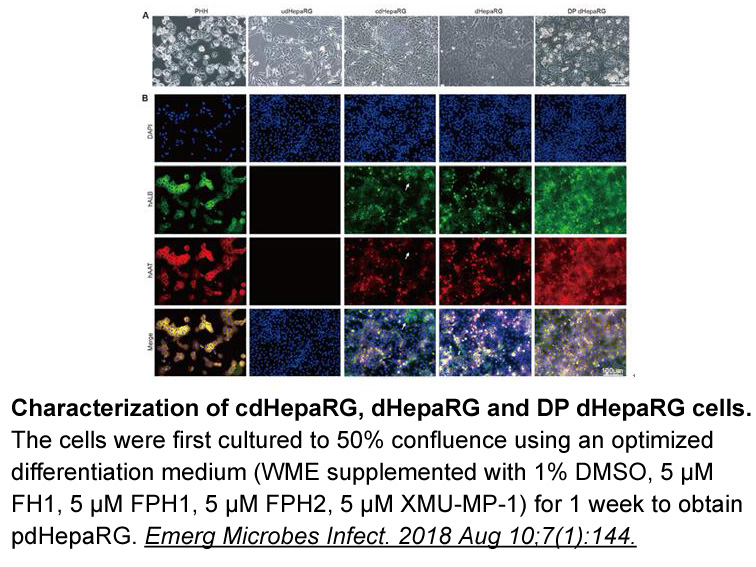
Acknowledgment We thank Professor Yuh-Chang Sun for providing helpful advice and the Ministry of Science and Technology of the Republic of China for financial support (grants MOST ). Introduction Past century has witnessed a tremendous increase in life expectancy of the human population, achi
-
In contrast a single instillation of
2019-08-21
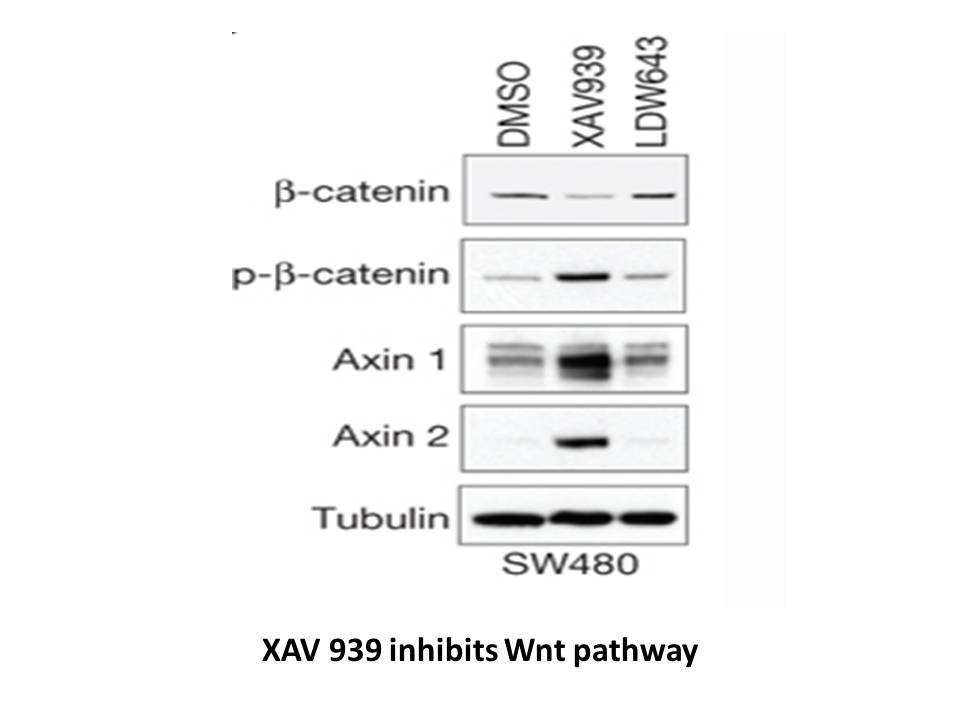
In contrast, a single instillation of BLM results in a progression of inflammatory events that culminates in marked remodeling of the lung interstitium. This process takes 2–3 weeks, with the fibrotic lesions becoming most pronounced within the first month [9]. Consequently, the BLM model offers the
-
Curcumin is found safe in several human studies Chainani Wu
2019-08-20
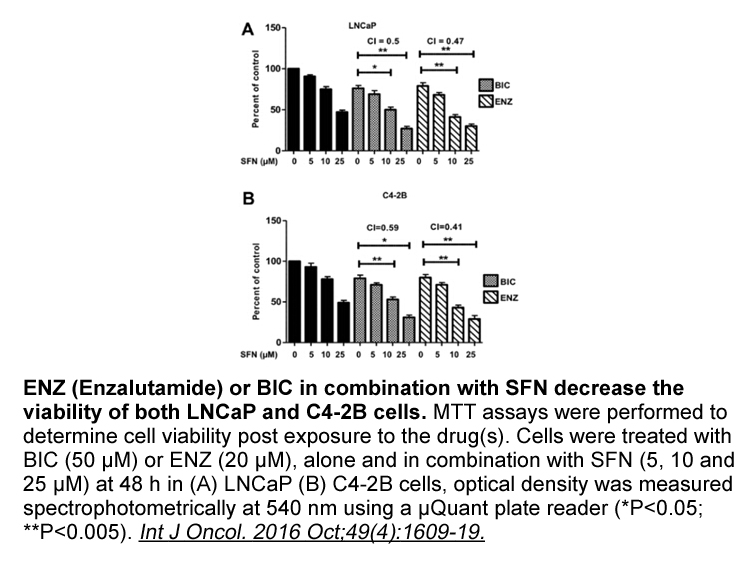
Curcumin is found safe in several human studies (Chainani-Wu, 2003; Cheng et al., 2001; Dcodhar et al., 2013), in contrary, the toxicity of curcumin has also been reported under some specific conditions (Burgos-Morón et al., 2010). Moreover, it GYKI 52466 dihydrochloride was also reported that curc
-
br Materials and methods br Results br Discussion
2019-08-20
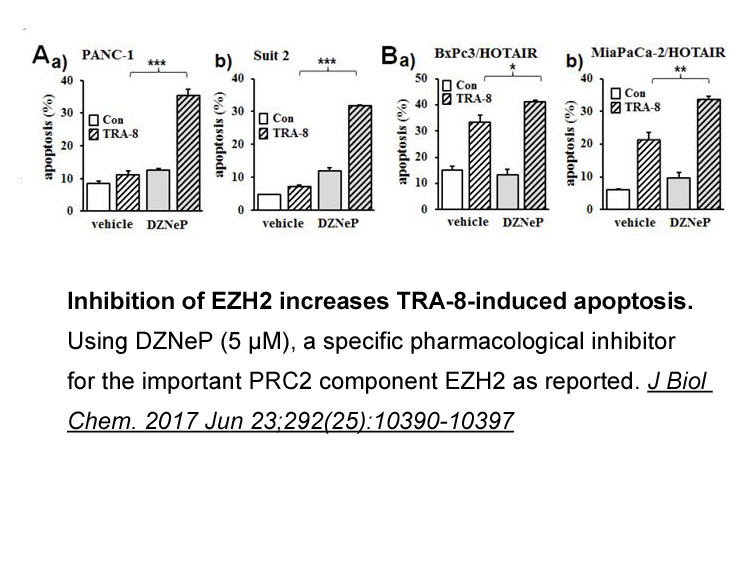
Materials and methods Results Discussion Cells in the human body, especially in the cardiovascular and musculoskeletal systems, undergo a variety of mechanical stimuli. In order to ensure human movement, the strength of stretching muscles acts on cartilage and bone, moving joints through te
-
BAY 57-1293 ACAT may act as a dimer of dimer Within
2019-08-20
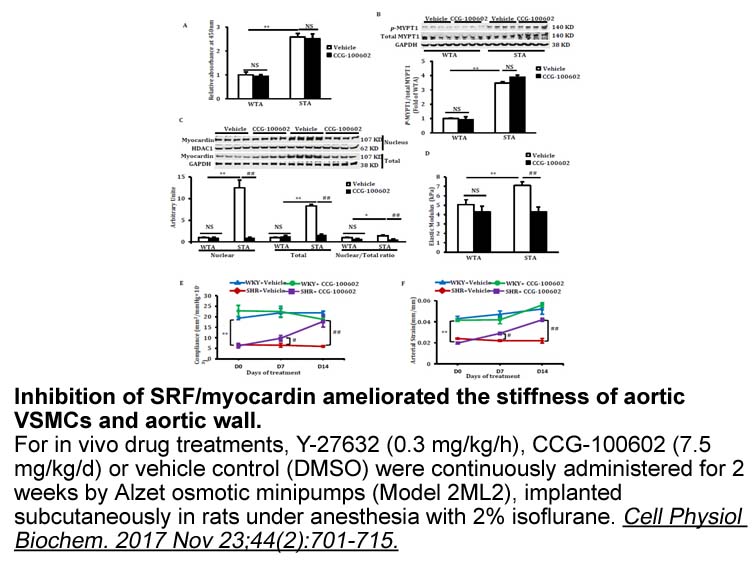
ACAT1 may act as a dimer of dimer [38]. Within each dimer, it may contain two identical sterol substrate sites (designated as site S), and one or two sterol activator site(s) (designated as site A). Site S preferentially binds pregnenolone (PREG); it can also bind a variety of sterols that contain 3
-
ID-8 Our results demonstrated that ET a Wnt ligand stimulate
2019-08-20
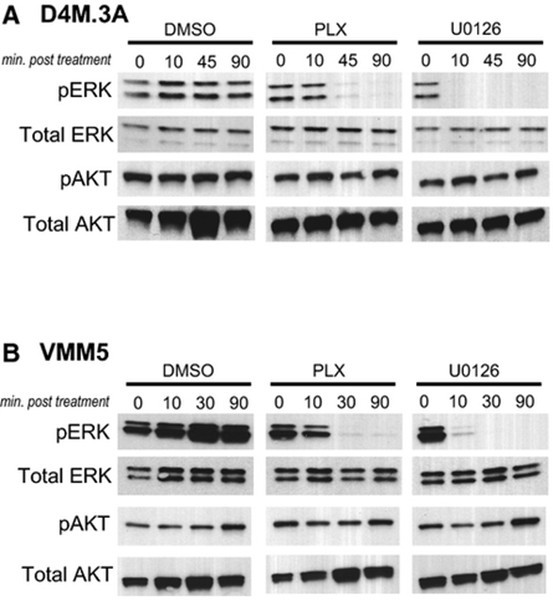
Our results demonstrated that ET-1, a Wnt ligand, stimulated the Wnt/β-catenin signaling pathway. First, ET-1/ETRA binds to Frizzled family cell-surface receptors, resulting in the activation of Dvl1, a Dishevelled (DSH) family protein. Next, activated DSH inhibits the Axin, GSK-3β, and APC protein
-
Other GPCRs notable for changes in expression on CLL cells
2019-08-20
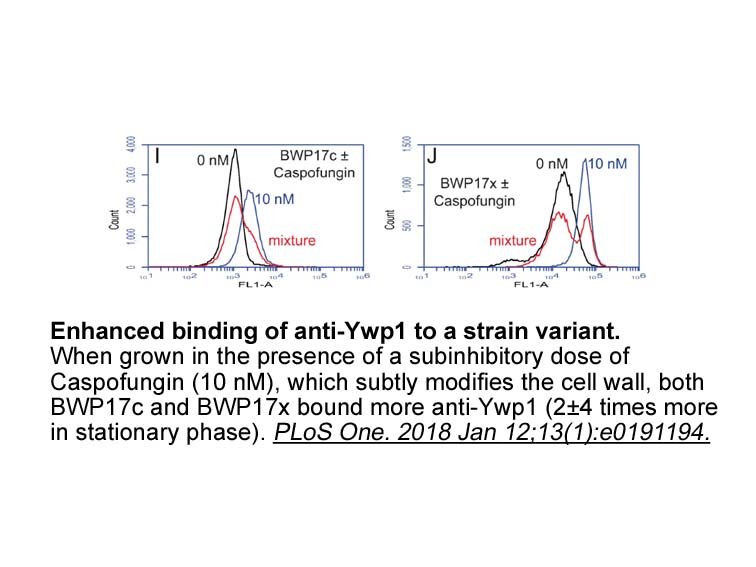
Other GPCRs notable for changes in expression on CLL cells include upregulation of the thromboxane A2 receptor TBXA2R mRNA [61] and up and downregulation of mRNA and protein from the neurotensin receptors NTSR2 and NTSR1, respectively [62]. The Eμ-TCL1 mouse model of CLL has been used to study mult
-
The hepatic constitutive levels of CYP
2019-08-20

The hepatic constitutive levels of CYP1A2 were minimal and were below detectable limits in the kidney, indicating an organ-specific trend which has been reported by other groups (Hawke and Welch, 1985, Paolini et al., 1997, Parkinson, 1996, Villard et al., 1998). Retinol administration did not have
-
Most of the data indicating
2019-08-20
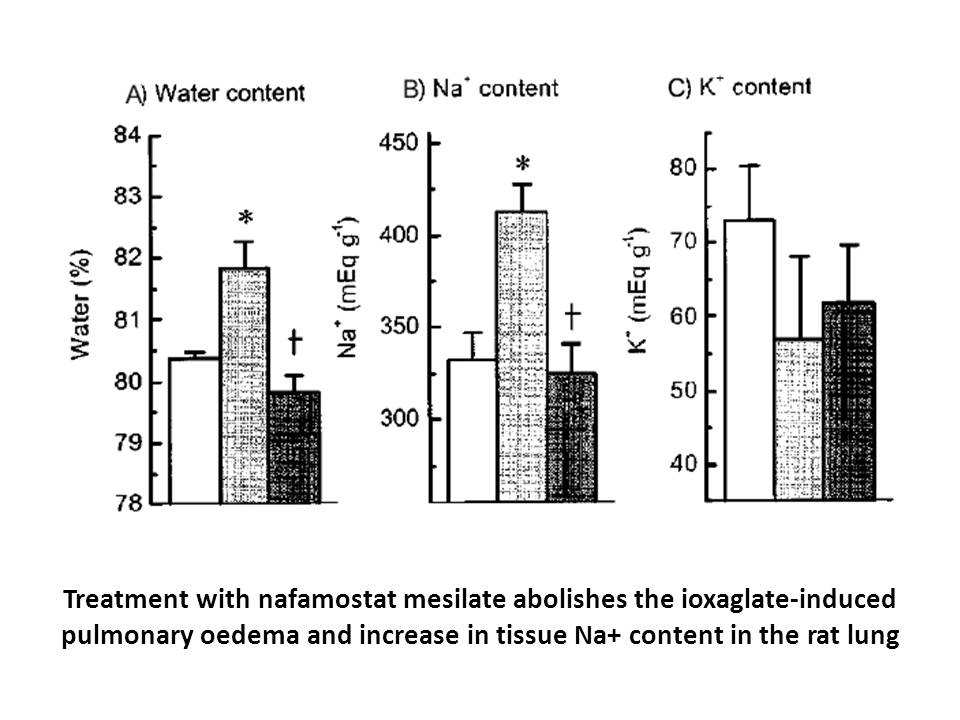
Most of the data indicating that the six-ankyrin repeat domain-containing Asb genes drive compartment expansion come from zebrafish and concern Asb11. However, there is evidence to suggest that these data can be expanded to the entire vertebrate phylum and to all six-ankyrin repeat domain-containing
-
Itch also known as astrophin interacting protein AIP is
2019-08-20
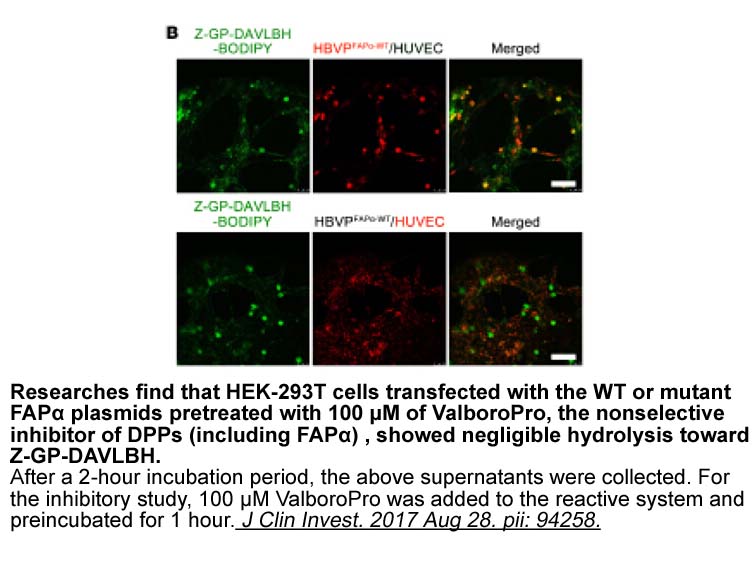
Itch, also known as astrophin-1 interacting protein-4 (AIP4), is a HECT domain-E3 ligase. It was discovered in 1998 in mouse coat color genetic studies which displayed the disruption caused by the Itch gene inducing a lethal autoimmune inflammatory condition. The substrates of Itch are transmembrane
-
phalloidin br Acknowledgements br Introduction Serum triglyc
2019-08-20
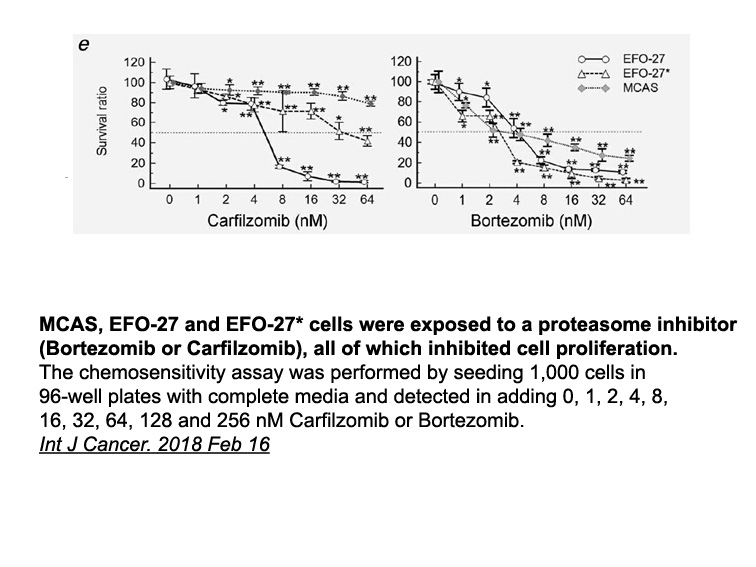
Acknowledgements Introduction Serum triglyceride concentrations increase following ingestion of a fat containing meal resulting in postprandial hyperlipidemia. Peak serum triglyceride levels are observed within 2 to 4h of fat consumption and then gradually return to baseline levels within appr
-
br Materials and Methods br Results br Discussion HSCs
2019-08-20
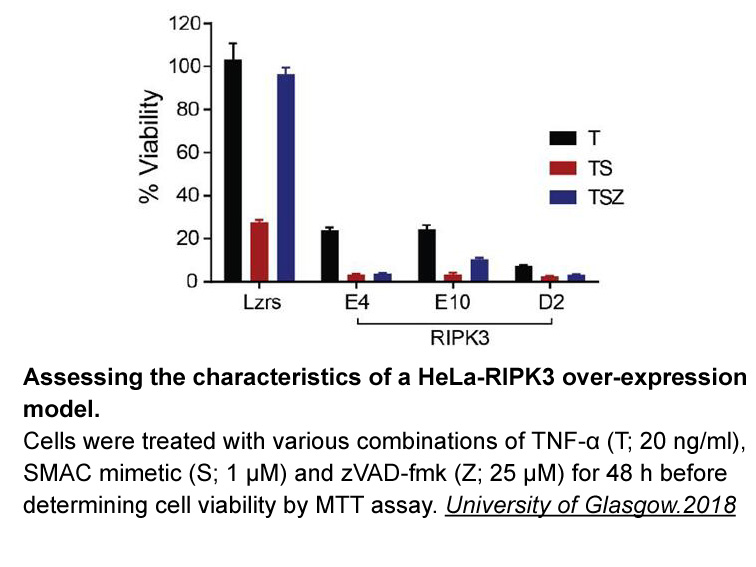
Materials and Methods Results Discussion HSCs have been identified as major collagen-producing PFI 3 msds in the injured liver (1), and activation of HSCs has become the central link for liver fibrosis (2). The factors that regulate the biological behavior of HSCs include soluble regulator
-
UVRAG is a mammalian ortholog of yeast Vps and a
2019-08-19
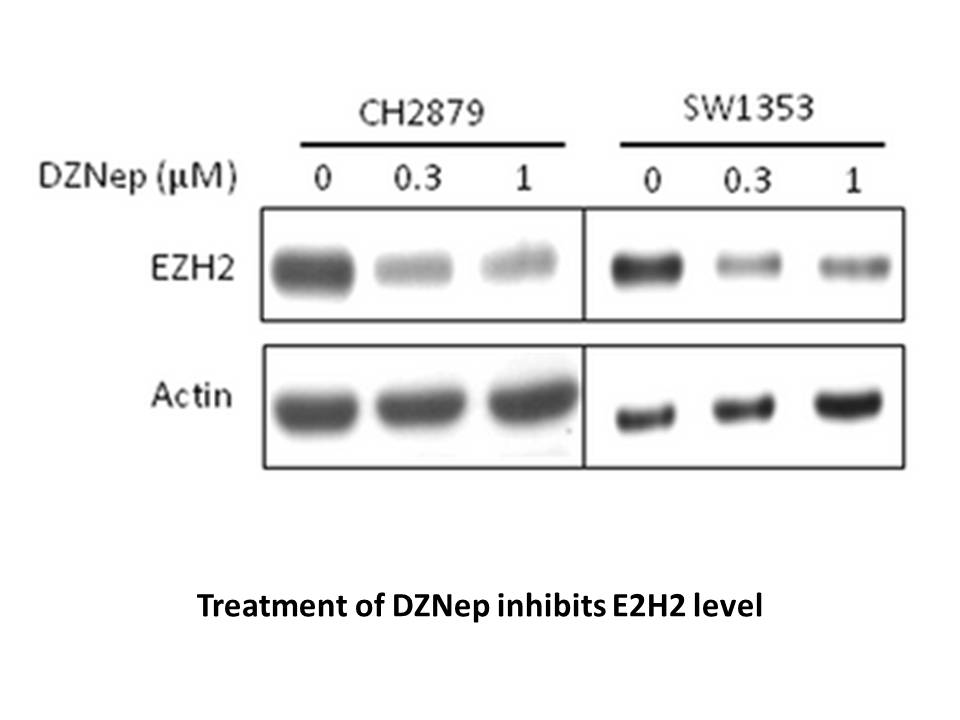
UVRAG is a mammalian ortholog of yeast Vps38 and a promoter of autophagy [51,60,61]. It forms distinct complexes with BECN1 (mammalian ortholog of yeast Vps30/Atg6) and the class III phosphatidylinositol 3-kinase (whose catalytic subunit [PIK3C3] is the mammalian ortholog of yeast Vps34) and contrib
-
br Experimental procedures br Results Fluorescence attributa
2019-08-19
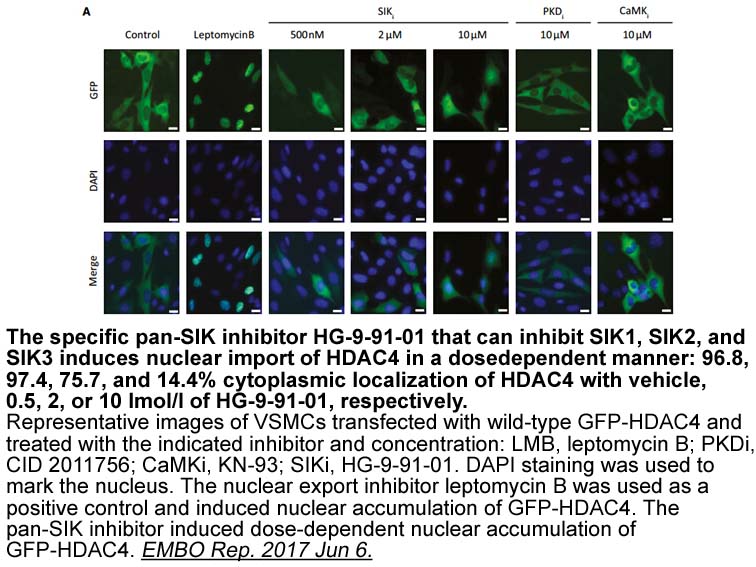
Experimental procedures Results Fluorescence attributable to GnRH-eGFP neurons was observed through the diagonal band of Broca, to the POA of the hypothalamus in GnRH-eGFP transgenic rats for all groups as described previously (Kato et al., 2003, Tada et al., 2013). Discussion The mEPSCs w
16529 records 1011/1102 page Previous Next First page 上5页 10111012101310141015 下5页 Last page