Archives
- 2026-06
- 2026-05
- 2026-04
- 2026-03
- 2026-02
- 2026-01
- 2025-12
- 2025-11
- 2025-10
- 2025-09
- 2025-03
- 2025-02
- 2025-01
- 2024-12
- 2024-11
- 2024-10
- 2024-09
- 2024-08
- 2024-07
- 2024-06
- 2024-05
- 2024-04
- 2024-03
- 2024-02
- 2024-01
- 2023-12
- 2023-11
- 2023-10
- 2023-09
- 2023-08
- 2023-07
- 2023-06
- 2023-05
- 2023-04
- 2023-03
- 2023-02
- 2023-01
- 2022-12
- 2022-11
- 2022-10
- 2022-09
- 2022-08
- 2022-07
- 2022-06
- 2022-05
- 2022-04
- 2022-03
- 2022-02
- 2022-01
- 2021-12
- 2021-11
- 2021-10
- 2021-09
- 2021-08
- 2021-07
- 2021-06
- 2021-05
- 2021-04
- 2021-03
- 2021-02
- 2021-01
- 2020-12
- 2020-11
- 2020-10
- 2020-09
- 2020-08
- 2020-07
- 2020-06
- 2020-05
- 2020-04
- 2020-03
- 2020-02
- 2020-01
- 2019-12
- 2019-11
- 2019-10
- 2019-09
- 2019-08
- 2019-07
- 2019-06
- 2019-05
- 2019-04
- 2018-11
- 2018-10
- 2018-07
-
br Conclusion br Conflicts of interest br Introduction RNA
2023-11-29
Conclusion Conflicts of interest Introduction RNA interference is a specific post-transcriptional gene silencing mechanism within a cell via the transfection of microRNAs (miRNA), exogenous small interfering RNAs (siRNA) or small hairpin RNAs (shRNA) [1–3]. Transfection of shRNA can be done
-
The SKOV and SKOV TR cells
2023-11-29
The SKOV3 and SKOV3TR Garcinol were exposed to stepwise increased concentration of paclitaxel with or without a different concentration of autophagy inhibitor (3-MA or HCQ) to further evaluate whether suppression of autophagy affected the growth and drug sensitivity of ovarian cancer cells in vitro.
-
br Conflict of interest br Acknowledgment
2023-11-28
Conflict of interest Acknowledgment The authors gratefully acknowledge the financial support from the National Natural Sciences Foundation of China (81070220 and 81170278), and the Aid Program for Science and Technology Innovative Research Team in Higher Educational Institutions of Human Provi
-
We have shown that an extensive
2023-11-28

We have shown that an extensive region in SERBP1 (amino acids 354 to 474, using co-ordinates based on the full-length isoform, Figs. 1a and 2) is necessary for it to interact with RACK1; since this region has substantial homology to the corresponding region of HABP1 (Fig. 3) it is a reasonable hypot
-
br Conclusions Our study confirms that N
2023-11-28
Conclusions Our study confirms that N-terminal mutations can affect Aβ fibril and oligomer formation, despite lying outside the core amyloid region of Aβ. Of the three factors that may influence Aβ-mediated toxicity (primary structure of Aβ, assembly structure and cellular responses), our results
-
It has been reported that trehalose shows
2023-11-28
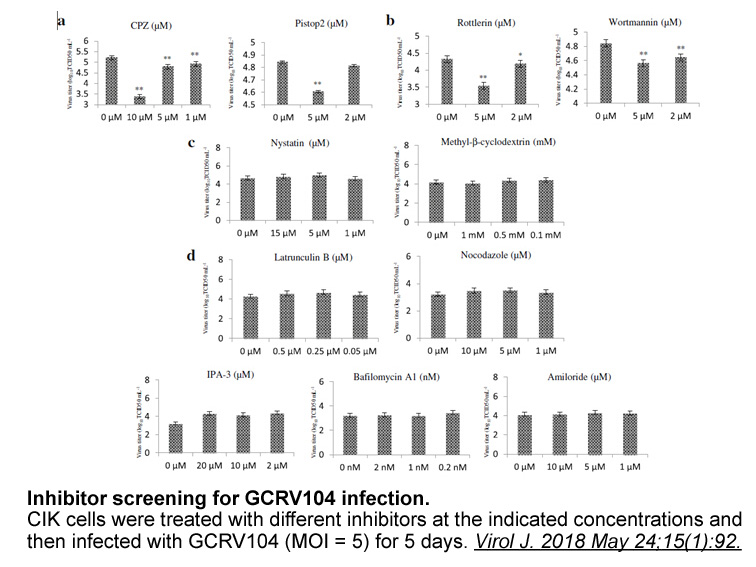
It has been reported that trehalose shows beneficial effects in a mouse model of several neurodegenerative diseases [21], [22], [23]. There are also reports showing that trehalose can improve the impaired cognitive and learning ability and reduced Aβ deposit in hippocampus of APP/PS1 transgenic mice
-
Acetaminophen N acetyl p aminophenol AAP
2023-11-28
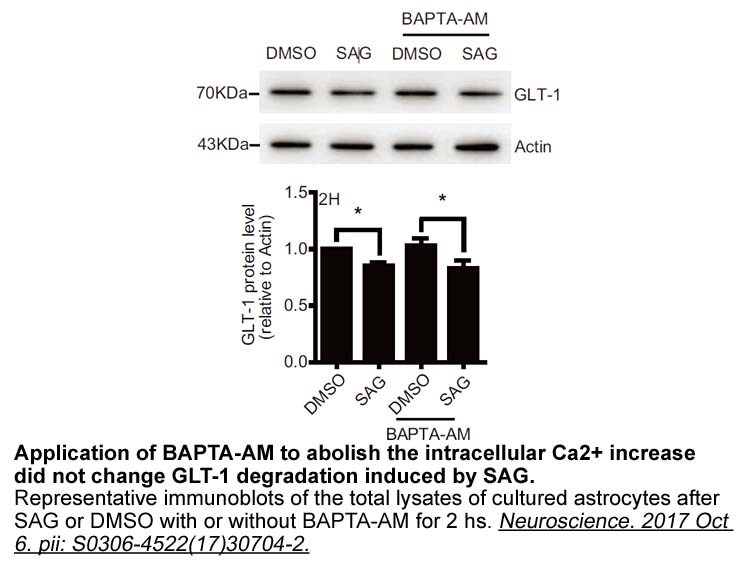
Acetaminophen (N-acetyl-p-aminophenol, AAP) (Fig. 1) is a medically important, low cost, readily available and commonly used over the counter analgesic and antipyretic drug [18,19]. Acetaminophen monotherapy is efficient and is safer than Aspirin and Ibuprofen [20]. The efficacy and tolerability in
-
Young et al described the
2023-11-28
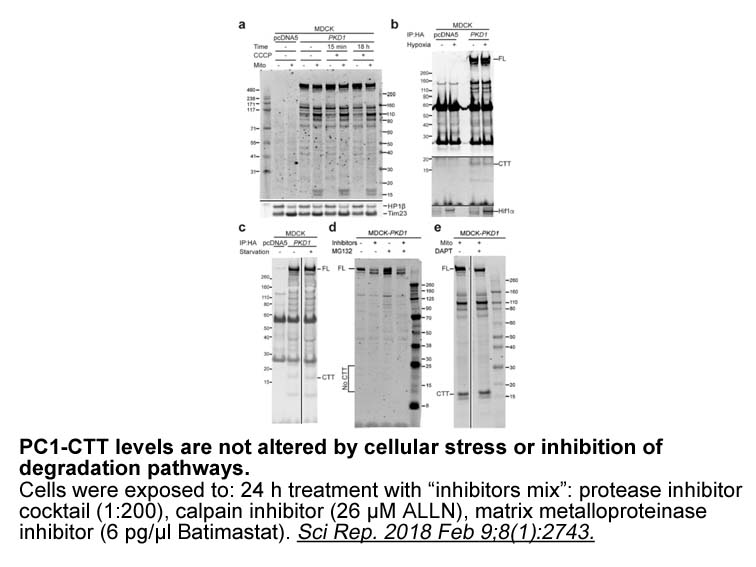
Young et al. [40] described the role of adenine monophosphate-activated protein kinase (AMPK) in the translocation of GLUT4 in the heart. The AMPK is activated during muscle contraction [74] by converting AMP to ATP. The adenosine analog, 5-aminoimidazole-4-carboxamide ribonucleotide (AICAR), is a c
-
Fmoc-Gln(Trt)-OH Adenosine receptors are proposed to
2023-11-28

Adenosine receptors are proposed to play proangiogenic role in vascular and immune Fmoc-Gln(Trt)-OH within microenvironment of hypoxic tissues to maintain tissue oxygenation in chronic ischemic condition [9]. Adenosine also stimulates the production of angiopoetin-1, VEGF and Interleukin-6 (IL6) via
-
Although our data show that agrin accelerates the innervatio
2023-11-28

Although our data show that agrin accelerates the innervation of engineered muscle tissue following implantation, there are still several issues that need to be considered. First, the use of primary muscle stem or progenitor Cy5 carboxylic acid (non-sulfonated) synthesis (satellite cells) instead o
-
br Materials and methods br Functional demonstrations of ACh
2023-11-28
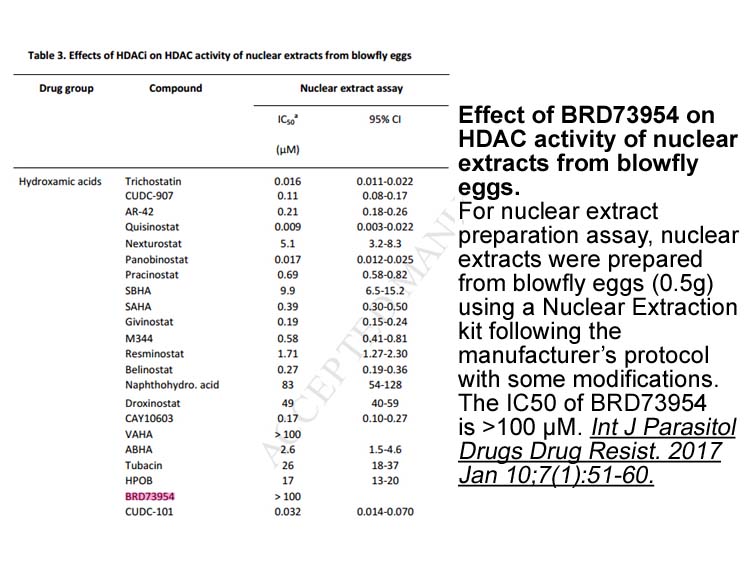
Materials and methods Functional demonstrations of ACh/GABA cotransmission The cotransmission of GABA and ACh has been best characterized in starburst amacrine cells (SACs) of the retina. SACs are a subtype of amacrine cell, a diverse set of retinal interneurons that are crucial for processing
-
The most potent compounds within the current
2023-11-28
The most potent compounds within the current series of compounds were therefore , , , , and , with Thonzonium Bromide receptor possessing the best selectivity towards the lyase reaction in comparison to the hydroxylase reaction, indeed, this compound was found to possess an IC value of 1210nM aga
-
HCC aetiology is multifactorial and the disease is often pre
2023-11-28
HCC aetiology is multifactorial and the disease is often preceded by other conditions including liver fibrosis and cirrhosis that are associated with HCV, HBV, alcoholic and non-alcoholic hepatitis. The discovery of new therapeutic targets will require a greater understanding of the pathogenic mecha
-
At first the APC is a kDa protein divided
2023-11-28
At first, the APC is a 310kDa protein divided into three domains such as N-terminal, central core and C-terminal domain [102], plays a major role to regulate the Wnt signaling pathway in human cancer by translating β-catenin from the Fludarabine Phosphate australia to the nucleus [103]. The SIRT1 re
-
br Conclusion We have identified potential inhibitors of
2023-11-27
Conclusion We have identified potential inhibitors of C. albicans fungus specific nuclear target outer kinetochore Dam1 complex subunit Ask1, virtually screened through the PubChem compounds database (NCBI, USA) by utilizing state-of-art in silico methods in a pipeline. The 3D protein structure o
16519 records 246/1102 page Previous Next First page 上5页 246247248249250 下5页 Last page