Archives
- 2026-06
- 2026-05
- 2026-04
- 2026-03
- 2026-02
- 2026-01
- 2025-12
- 2025-11
- 2025-10
- 2025-09
- 2025-03
- 2025-02
- 2025-01
- 2024-12
- 2024-11
- 2024-10
- 2024-09
- 2024-08
- 2024-07
- 2024-06
- 2024-05
- 2024-04
- 2024-03
- 2024-02
- 2024-01
- 2023-12
- 2023-11
- 2023-10
- 2023-09
- 2023-08
- 2023-07
- 2023-06
- 2023-05
- 2023-04
- 2023-03
- 2023-02
- 2023-01
- 2022-12
- 2022-11
- 2022-10
- 2022-09
- 2022-08
- 2022-07
- 2022-06
- 2022-05
- 2022-04
- 2022-03
- 2022-02
- 2022-01
- 2021-12
- 2021-11
- 2021-10
- 2021-09
- 2021-08
- 2021-07
- 2021-06
- 2021-05
- 2021-04
- 2021-03
- 2021-02
- 2021-01
- 2020-12
- 2020-11
- 2020-10
- 2020-09
- 2020-08
- 2020-07
- 2020-06
- 2020-05
- 2020-04
- 2020-03
- 2020-02
- 2020-01
- 2019-12
- 2019-11
- 2019-10
- 2019-09
- 2019-08
- 2019-07
- 2019-06
- 2019-05
- 2019-04
- 2018-11
- 2018-10
- 2018-07
-
LPA binds to six specific cell surface GPCR receptors The
2023-03-22
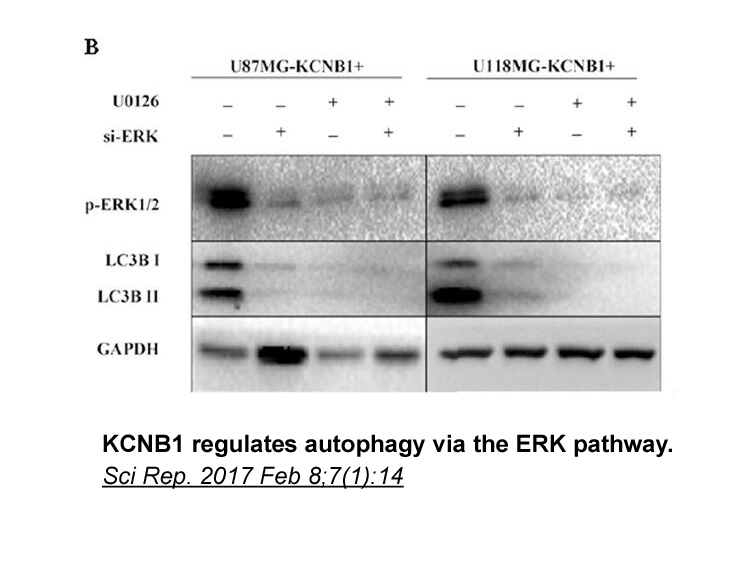
LPA binds to six specific cell surface GPCR receptors. The receptors LPA1 (lysophosphatidic receptor 1, formerly, Edg2), LPA2 (Edg4) and LPA3 (Edg7) belong to the endothelial differentiation gene family (EDG) and share sequence homology (50–60% amino BIIB021 synthesis homology) An et al., 1997, An e
-
AP was originally described as a heterodimer of
2023-03-21

AP-1 was originally described as a heterodimer of the bZIP proteins c-Jun and c-Fos. The experiments described here showed that stimulation of TRPV1 channels induced the expression of both of these classical constituents of AP-1. The essential role of both proteins was analyzed in a series of experi
-
As patients with type diabetes
2023-03-20
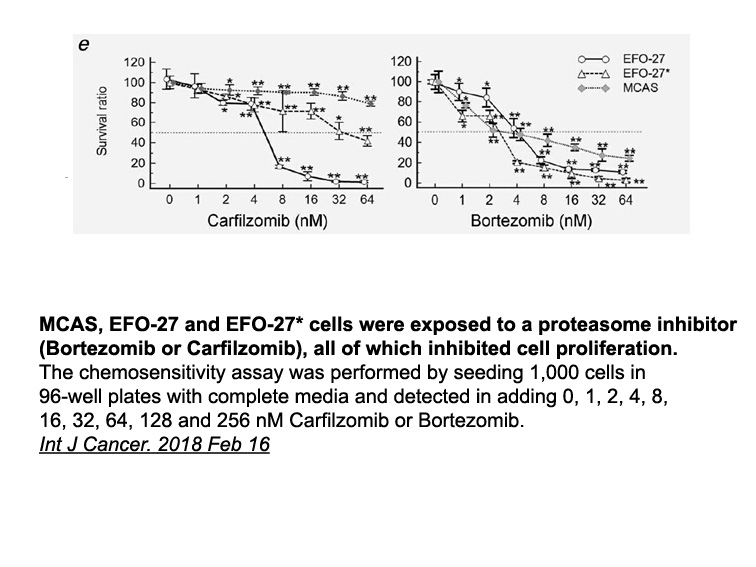
As patients with type 2 diabetes are known to be hyperinsulinemic per se, this relationship between insulin/IGF1 receptor and AR may point towards a causal role of insulin in AR upregulation. Indeed, this is supported by several previous observations. Beyond the already mentioned AR activation by in
-
br Conclusions Our study confirms that N terminal mutations
2023-03-20

Conclusions Our study confirms that N-terminal mutations can affect Aβ fibril and oligomer formation, despite lying outside the core amyloid region of Aβ. Of the three factors that may influence Aβ-mediated toxicity (primary structure of Aβ, assembly structure and cellular responses), our results
-
br Role of AMPK in inflammation signaling
2023-03-20

Role of AMPK in inflammation signaling Pro-inflammatory cytokines, such as interleukin (IL)-6 and tumor necrosis factor-α (TNF-α), activate Ikβ kinase (IKKβ), which phosphorylates IκBα, triggering the degradation of proteasomal IκB. This liberates active nuclear factor kB (NF-kB) to translocate i
-
br The lipoxygenase pathway in diseases of the
2023-03-20

The 12/15-lipoxygenase pathway in diseases of the nervous system Conclusions and future perspectives Arachidonic TPEN and other polyunsaturated fatty acids, and their lipid metabolites, play very important roles in human health and disease. This review has outlined the functions of 12- and 15-
-
B lymphocytes are found in blood
2023-03-20
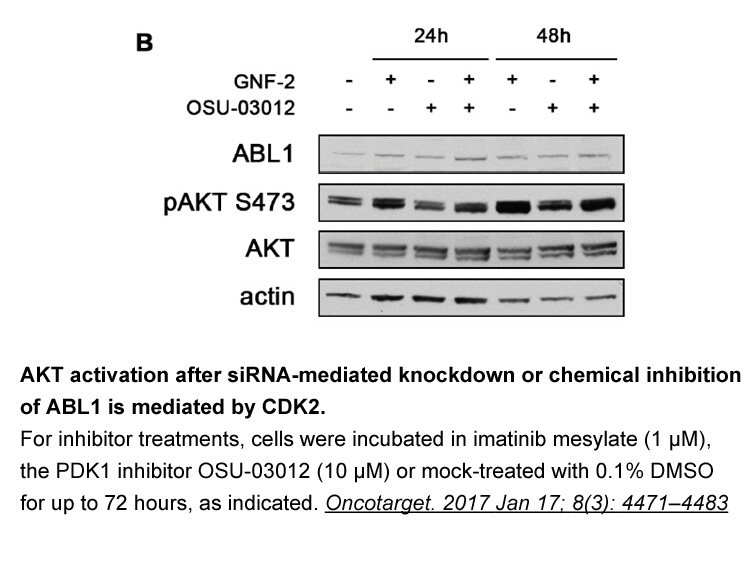
B lymphocytes are found in blood, lymph nodes, spleen and tonsil and other mucosal tissues [110]. These cells originate in the bone marrow from a common progenitor shared with T, NK, and some DC subsets [111]. Progenitor CU CPT 22 receptor progress through the early stages of maturation, rearrangin
-
A correlation analysis was performed to investigate a possib
2023-03-20
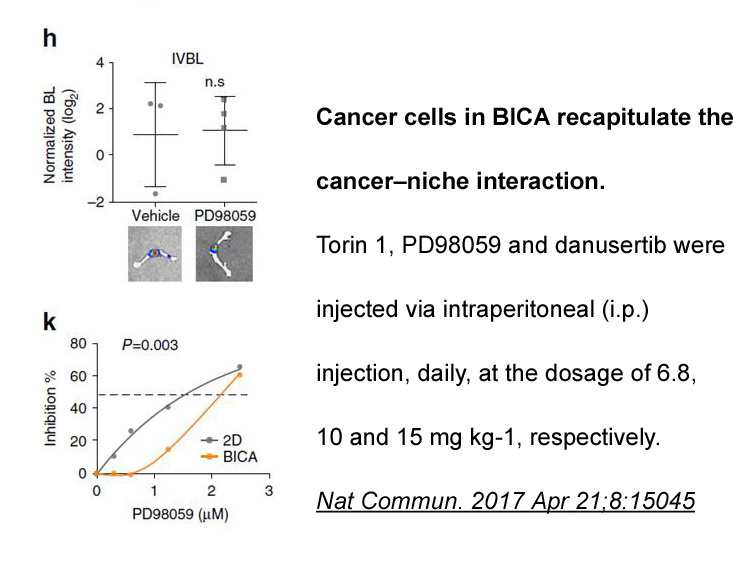
A correlation analysis was performed to investigate a possible relationship between serum resistin levels and MG-ADL. We observed a significant relationship between serum resistin levels and MG-ADL scores in AChR-GMG-positive cases (r=0.285, p=0.032; Fig. 1C). There were also significant correlation
-
br Conclusions Triptans are HT B D F receptors agonists
2023-03-17
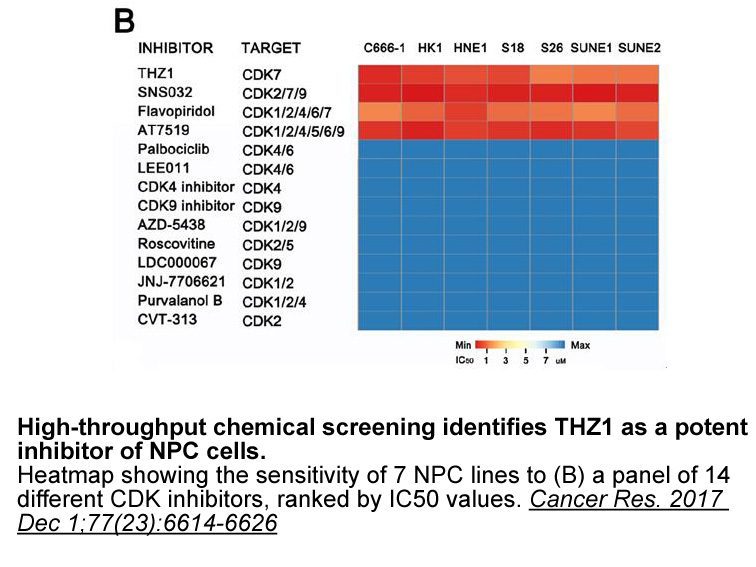
Conclusions Triptans are 5-HT1B/1D/(1F) receptors agonists and are considered as the gold standard for acute migraine treatment that have been proven effective. Unfortunately, they are contraindicated in patients with cardiovascular diseases due to their vasoconstrictor (side) effects (MaassenVan
-
and LO are members of the lipoxygenase
2023-03-17
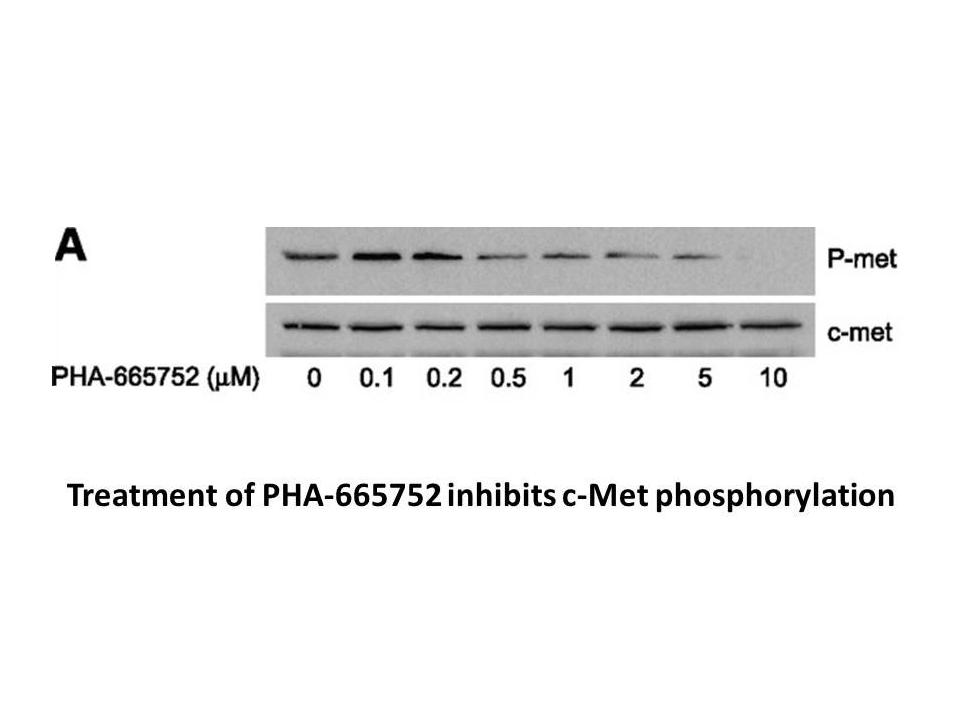
5- and 12/15-LO are members of the lipoxygenase family that convert arachidonic Wnt agonist 1 into lipid mediators such as leukotriene B4 (LTB) and 12()-hydroxyeicosatetraenoic acid (HETE) and 15()-HETE, respectively. Evidence from several in vitro and in vivo studies has shown that activation of t
-
The main function of ATR CHK signaling is
2023-03-17
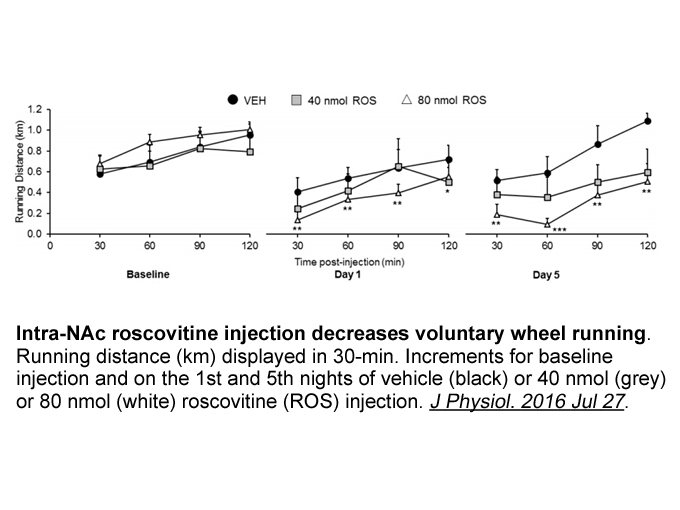
The main function of ATR/CHK1 signaling is activating p53 apoptosis checkpoint arrest for S and G2 phases in mammalian cells. There are three checkpoints in response to DNA damage: G1/S, G2/M, and S-phase. The G2/M checkpoint can prevent cells that incur DNA damage in G2 phase or progress into G2 p
-
br Dysregulated aromatase expression the link between
2023-03-17
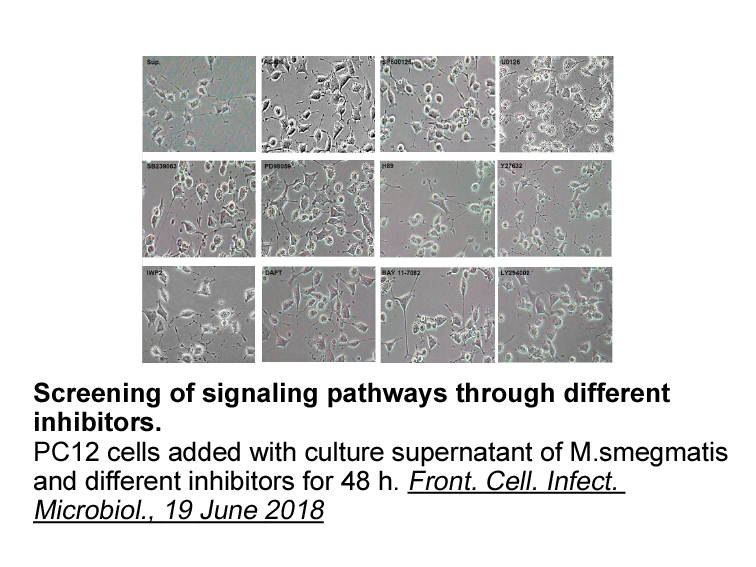
Dysregulated aromatase expression: the link between obesity and breast cancer Obesity has been associated with abnormally high expression of the enzyme aromatase in the breast, influencing the local production and bioavailability of estrogens (Morris et al, 2011, Subbaramaiah et al, 2012). Bowers
-
br Acknowledgments br Introduction Cancer is a deadly diseas
2023-03-17
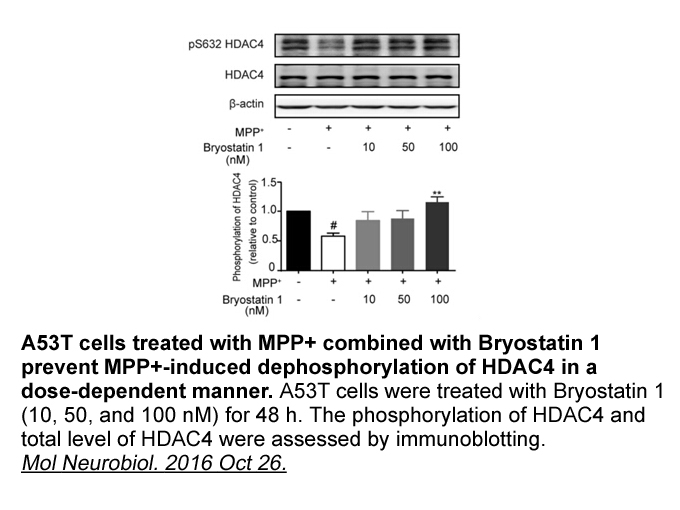
Acknowledgments Introduction Cancer is a deadly disease of uncontrolled cell division and has the potential to invade or spread to other parts of the body and affects normal functioning of the vital organs. Nowadays cancer is considered as leading cause of human death in all over the world and
-
br Emerging Vascular Mechanisms of AA Therapy Resistance Exp
2023-03-17
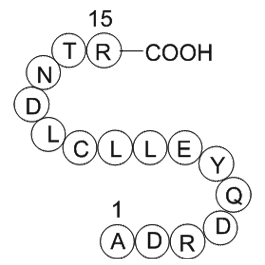
Emerging Vascular Mechanisms of AA Therapy Resistance Experimental and clinical evidence indicates that physiological angiogenesis generates blood vessels capable of restoring perfusion [1], whereas tumoral angiogenesis gives rise to vessels that are structurally and functionally abnormal, therei
-
Analysis of the crystal structures
2023-03-17
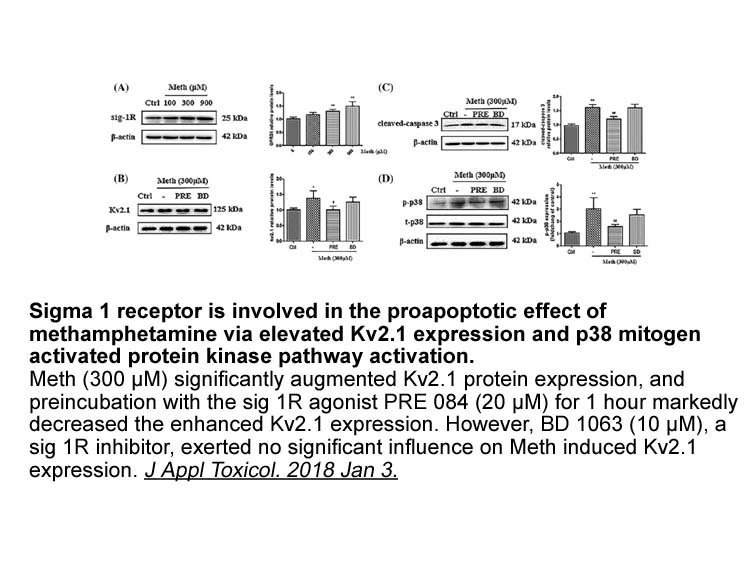
Analysis of the crystal structures of LAPs from E. coli[29], bovine eye lens [30], Pseudomonas putida[27], tomato [31] and P. falciparum[32] revealed that the monomer of M17-family LAP is composed of two domains: the smaller, variable N-terminal domain and the larger, conserved C-terminal domain tha
16517 records 350/1102 page Previous Next First page 上5页 346347348349350 下5页 Last page