Archives
- 2026-06
- 2026-05
- 2026-04
- 2026-03
- 2026-02
- 2026-01
- 2025-12
- 2025-11
- 2025-10
- 2025-09
- 2025-03
- 2025-02
- 2025-01
- 2024-12
- 2024-11
- 2024-10
- 2024-09
- 2024-08
- 2024-07
- 2024-06
- 2024-05
- 2024-04
- 2024-03
- 2024-02
- 2024-01
- 2023-12
- 2023-11
- 2023-10
- 2023-09
- 2023-08
- 2023-07
- 2023-06
- 2023-05
- 2023-04
- 2023-03
- 2023-02
- 2023-01
- 2022-12
- 2022-11
- 2022-10
- 2022-09
- 2022-08
- 2022-07
- 2022-06
- 2022-05
- 2022-04
- 2022-03
- 2022-02
- 2022-01
- 2021-12
- 2021-11
- 2021-10
- 2021-09
- 2021-08
- 2021-07
- 2021-06
- 2021-05
- 2021-04
- 2021-03
- 2021-02
- 2021-01
- 2020-12
- 2020-11
- 2020-10
- 2020-09
- 2020-08
- 2020-07
- 2020-06
- 2020-05
- 2020-04
- 2020-03
- 2020-02
- 2020-01
- 2019-12
- 2019-11
- 2019-10
- 2019-09
- 2019-08
- 2019-07
- 2019-06
- 2019-05
- 2019-04
- 2018-11
- 2018-10
- 2018-07
-
br Author Contributions br Acknowledgments We thank
2022-06-02
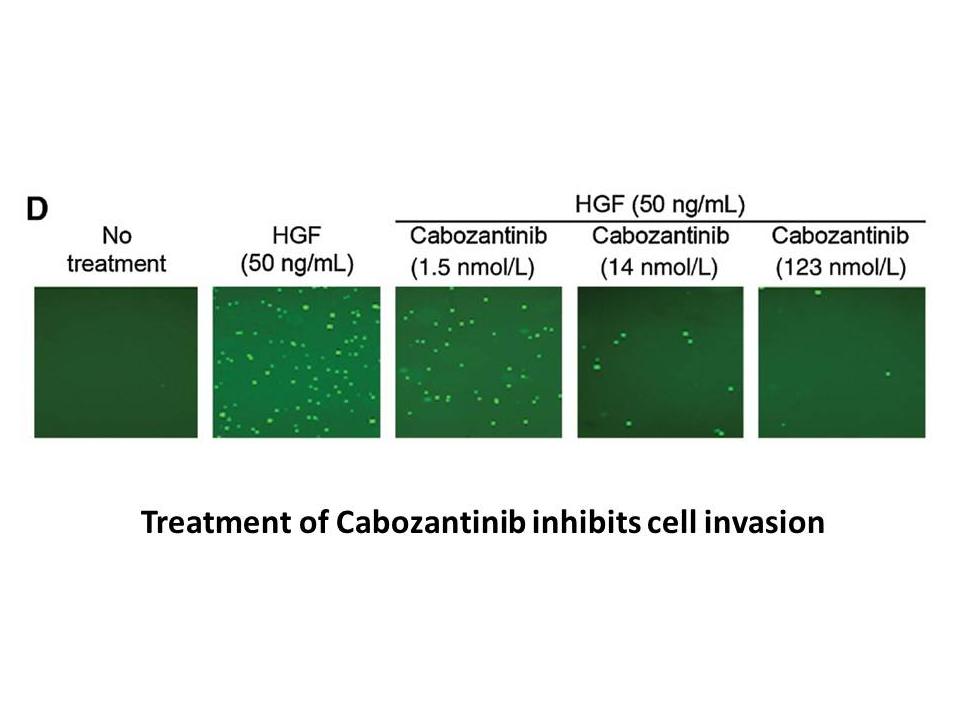
Author Contributions Acknowledgments We thank Hiroyuki Miyoshi, Makoto Nakanishi, Yoshikazu Johmura, Yuki Okada, Yoshinori Makino, Takashi Sutani, and Katsuhiko Shirahige for kindly providing materials and technical information, Shiho Takahashi-Kariyazono for technical advice, and all members
-
Previous reports have implicated the guanylin GC C
2022-06-02
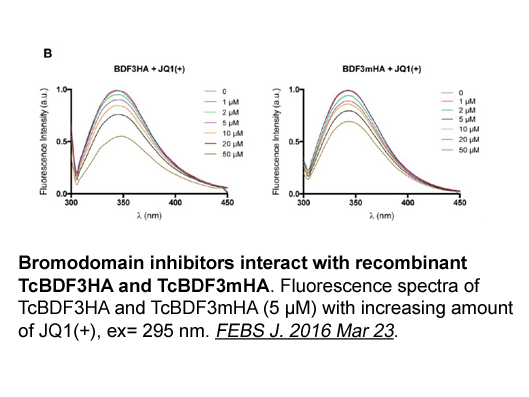
Previous reports have implicated the guanylin/GC-C signalling system as being important in osmoregulation in fish, especially in euryhaline species such as the eel which migrate between freshwater (FW) and seawater (SW) environments at different stages of their life cycle (Comrie et al., 2001a, Comr
-
Waldeck Weiermair et al demonstrated that in
2022-06-02

Waldeck-Weiermair et al. (2008) demonstrated that in endothelial cells, the activation of GPR55 by application of 10µM anandamide resulted in a marked increase of ERK1/2 phosphorylation that was evident 2min following drug activation and was sustained for up to 3h. Another example comes from our unp
-
br Conclusion br Acknowledgements This work was supported by
2022-06-02
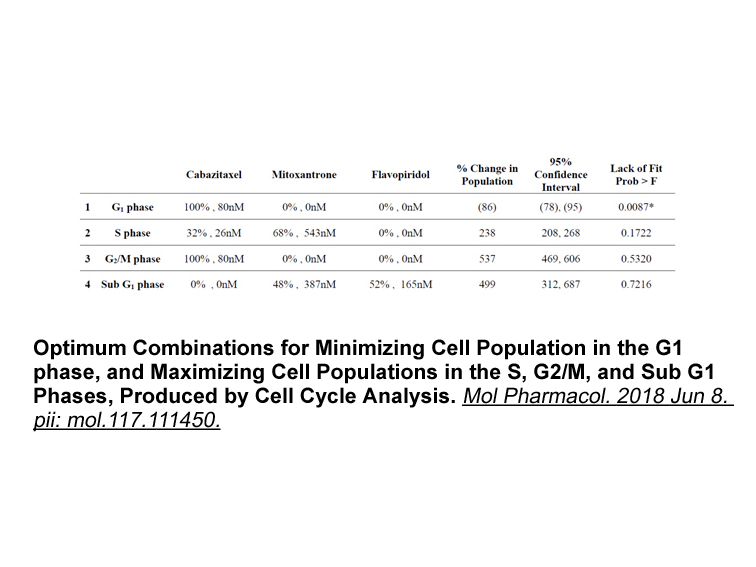
Conclusion Acknowledgements This work was supported by a Grant-in-Aid for challenging Exploratory Research (15K12715) and was a partly supported by Suzuken Memorial Foundation (2014). The authors would like to thank Enago (www.enago.jp) for the English language review. G protein-coupled rec
-
Initial evidence that cell contact mediated transmission of
2022-06-02
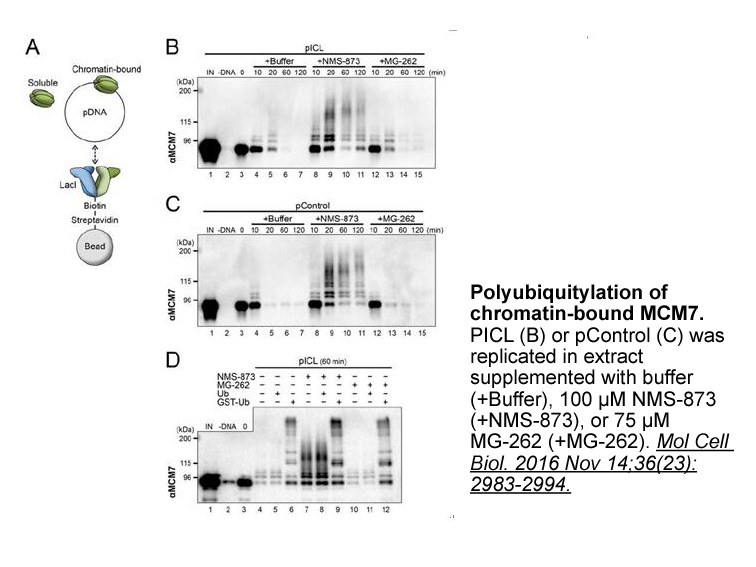
Initial evidence that cell-contact-mediated transmission of HIV-1 is relevant for the generation of latently infected GX15-070 was suggested in the context of transmission from dendritic cells to resting CD4+ T cells (Evans et al., 2013, Kumar et al., 2015). As dendritic cells probe for antigens, th
-
Generally speaking the regulation of GnIH on
2022-06-02
Generally speaking, the regulation of GnIH on gonadotropins synthesis and release, although controversial, could be direct and/or indirect via GnRH, among others peptides. In this sense, different scenarios have been reported in vertebrates. In mammalian and avian species, GnIH fibers reach the medi
-
New follicular wave emergence is
2022-06-02
New follicular wave emergence is associated closely with the stage of the estrous GSK1324726A receptor (Sirois and Fortune, 1988). As indicated by results from the present experiment, cows that had regression of the largest follicle on Day of treatment onset had follicle wave characteristics that we
-
NSC 14613 GlxI is a member of the superfamily of
2022-06-02

GlxI is a member of the βαβββ superfamily of proteins, consisting of fosfomycin resistance protein (FosA), methylmalonyl-CoA epimerase (MMCE), extradiol dioxygenase (DIOX), mitomycin C resistance protein (MRP) and bleomycin resistance protein (BRP) [29], [30], [31]. These proteins are believed to ha
-
br Conclusions We have shown
2022-06-01
Conclusions We have shown that despite the development of severe insulin intolerance and marked alterations in whole body substrate oxidation that Gcgr−/− mice are protected against olanzapine-induced hyperglycemia. Our data provides evidence that this protective effect is likely due in large par
-
Retinal GAL receptor distribution suggests an intrinsic
2022-06-01
Retinal GAL receptor distribution suggests an intrinsic neuronal control since retina lacks an autonomic innervation, and a signal modulation seems most likely here, acting via GALR1 while GALR2 and GALR3 seem to play a rather minor role in this signal transduction. While sources acting on these ret
-
At the end of experiments rats
2022-06-01

At the end of experiments rats were injected high dose of sodium pentobarbital (90mg/kg) and the rat’s head was cut and frozen in −20°C for 20min with the injecting tube in situ before section. The location of the tip of the injecting tube was verified and all the tips of the injecting tube were in
-
Somatostatin analogues are among the first peptide based dru
2022-06-01
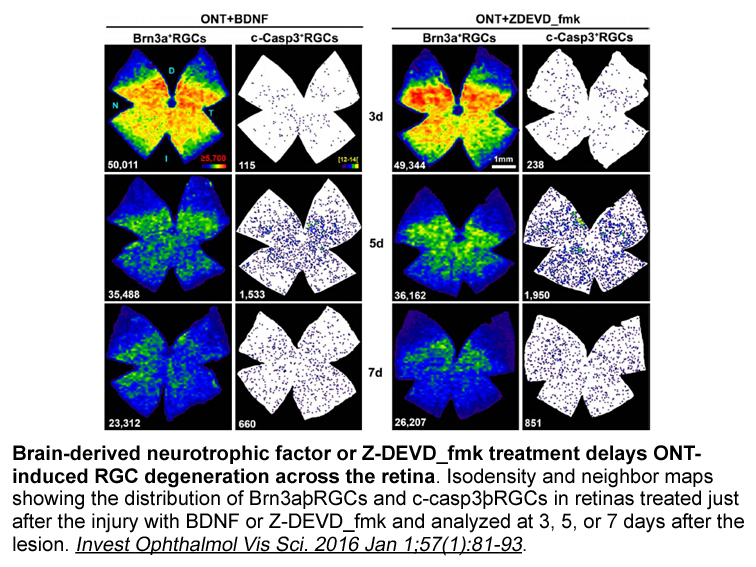
Somatostatin analogues are among the first peptide-based drugs used in cancer imaging and therapy (for review see Reubi, 2003). Treatment of tumors by the use of peptide analogues labeled with cytotoxic agents acting via specific receptors is also under investigation for neuropeptide Y (Koglin and B
-
Cellular inhibition is caused by
2022-06-01
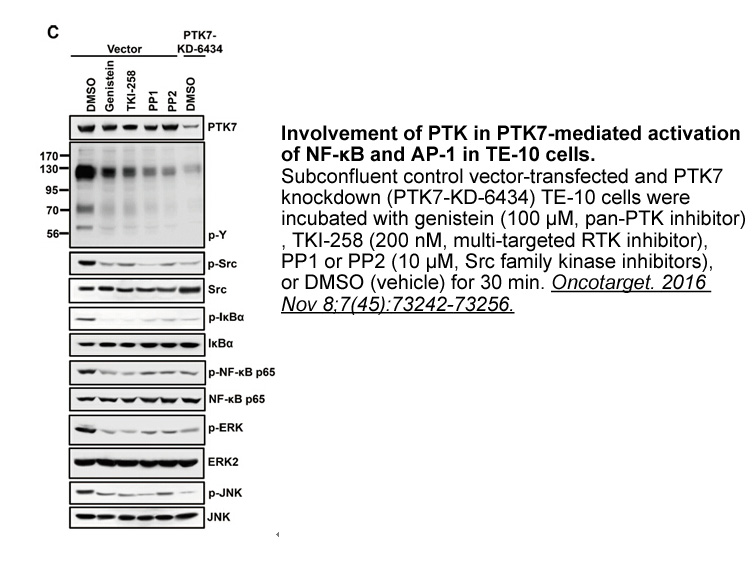
Cellular inhibition is caused by the hyperpolarization of the cell and is mediated by both synaptic and extrasynaptic GABAARs. Synaptic GABAARs are sensitive to high concentrations of GABA released at the synapse and mediate phasic inhibition. In contrast, extrasynaptic GABAARs mediate tonic inhibit
-
Studies of early cell fate specification in the mouse
2022-06-01
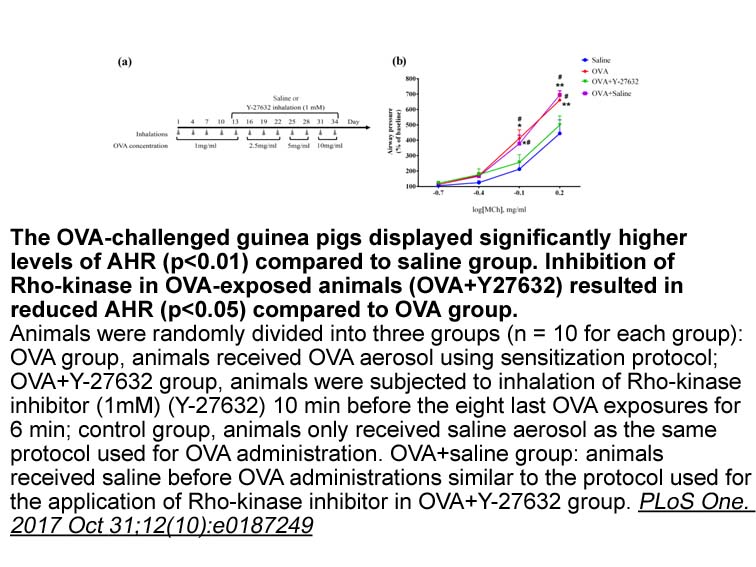
Studies of early cell fate specification in the mouse embryo have identified a role for differential Motin localization in controlling Hippo signaling [88]. At the 32-cell stage, mouse blastomeres are subdivided into inner cells, which form the inner cell mass (ICM), and outer cells, which form the
-
Several studies have also suggested that Wnt signalling
2022-06-01
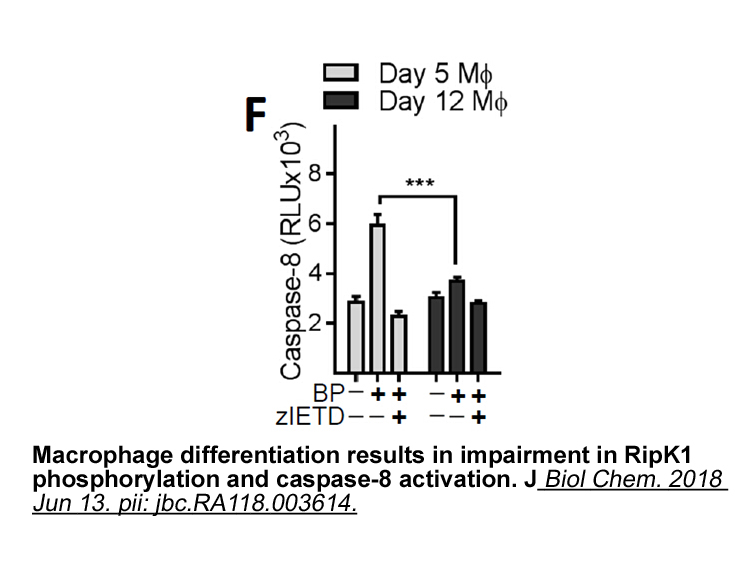
Several studies have also suggested that Wnt signalling can in turn stimulate the transcriptional activity of Yap/Taz (Figure 2, Figure 3). In the Azzolin model, Yap/Taz not only block β-catenin signalling, but their association with Axin1 and/or β-catenin also maintains them in an inactivate state
16518 records 454/1102 page Previous Next First page 上5页 451452453454455 下5页 Last page