Archives
- 2026-06
- 2026-05
- 2026-04
- 2026-03
- 2026-02
- 2026-01
- 2025-12
- 2025-11
- 2025-10
- 2025-09
- 2025-03
- 2025-02
- 2025-01
- 2024-12
- 2024-11
- 2024-10
- 2024-09
- 2024-08
- 2024-07
- 2024-06
- 2024-05
- 2024-04
- 2024-03
- 2024-02
- 2024-01
- 2023-12
- 2023-11
- 2023-10
- 2023-09
- 2023-08
- 2023-07
- 2023-06
- 2023-05
- 2023-04
- 2023-03
- 2023-02
- 2023-01
- 2022-12
- 2022-11
- 2022-10
- 2022-09
- 2022-08
- 2022-07
- 2022-06
- 2022-05
- 2022-04
- 2022-03
- 2022-02
- 2022-01
- 2021-12
- 2021-11
- 2021-10
- 2021-09
- 2021-08
- 2021-07
- 2021-06
- 2021-05
- 2021-04
- 2021-03
- 2021-02
- 2021-01
- 2020-12
- 2020-11
- 2020-10
- 2020-09
- 2020-08
- 2020-07
- 2020-06
- 2020-05
- 2020-04
- 2020-03
- 2020-02
- 2020-01
- 2019-12
- 2019-11
- 2019-10
- 2019-09
- 2019-08
- 2019-07
- 2019-06
- 2019-05
- 2019-04
- 2018-11
- 2018-10
- 2018-07
-
br Drug design Over the past decades
2022-03-15
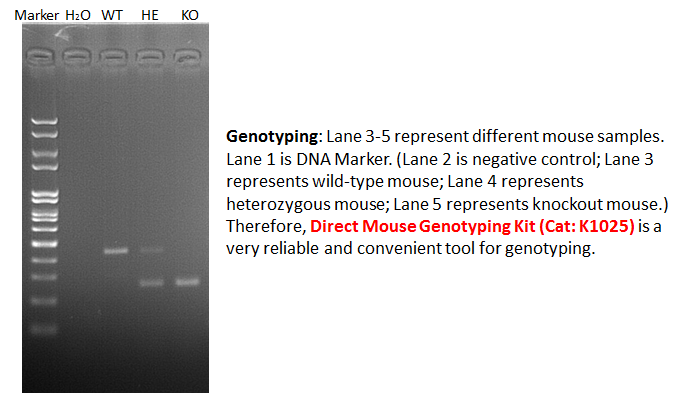
Drug design Over the past decades, the development of synthetic, direct fXa inhibitors has undergone four phase. Although these fXa inhibitors possess various scaffolds, most of them bind to the active site in a characteristic l-shaped conformation. In other word, they have a three-component syst
-
We thus asked whether enhanced
2022-03-15
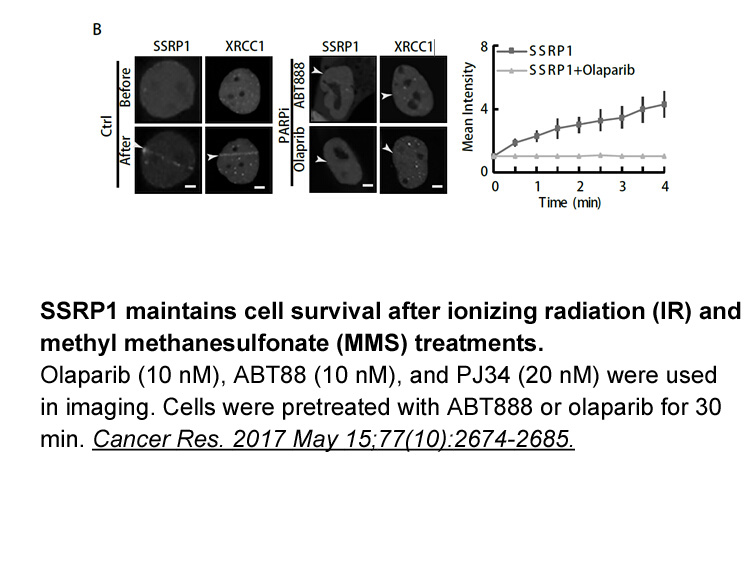
We thus asked whether enhanced AEA levels in the Butaprost mg reduce the level of age-related inflammatory changes and slow down brain ageing. To answer this question we compared the morphology of microglia and level of pro-inflammatory cytokines in the hippocampus of young and old wild-type and FA
-
br Conclusion We have demonstrated that
2022-03-15

Conclusion We have demonstrated that ETB receptors negatively regulate the expression of AT1 receptors in renal proximal tubule punicalagin from WKY rats but not in SHRs. Short-term activation of the ETB receptor increases AT1 receptor phosphorylation in WKY cells but decreases it in SHR cells.
-
In autoimmune diseases lymphocytes penetrate into the inflam
2022-03-15
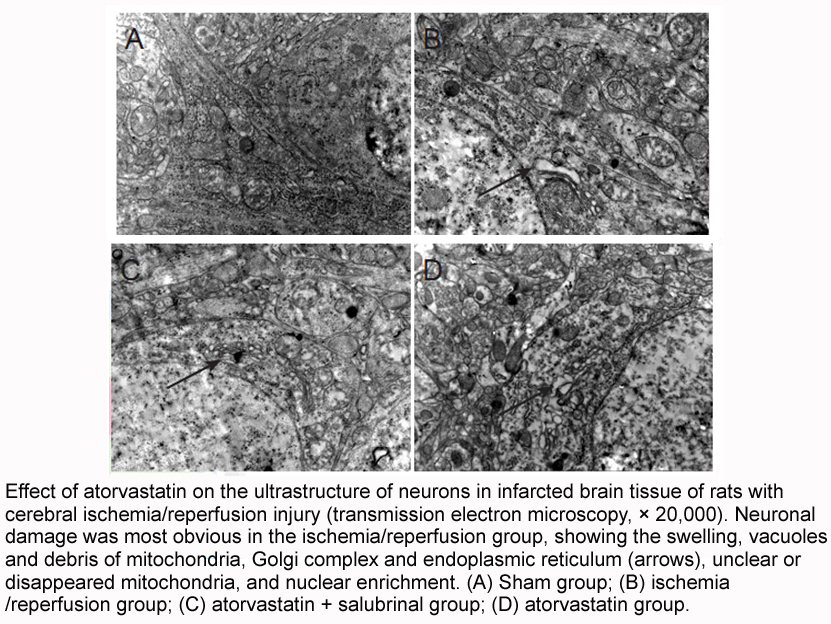
In autoimmune diseases, lymphocytes penetrate into the inflammatory lesions of tissues, where it is prominently hypoxic or even anoxic, and utilize glycolysis for an energy supply after activation or under hypoxia (Sitkovsky and Lukashev, 2005; Palazon et al., 2014), which is modulated by the oxygen
-
It has been reported that
2022-03-15
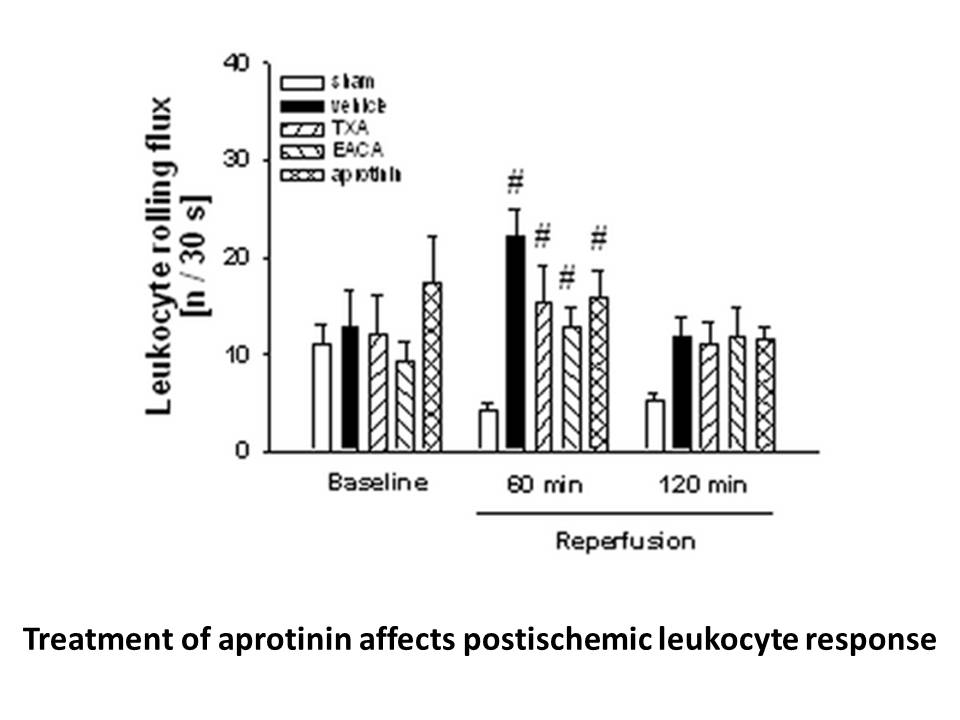
It has been reported that CD133+ glioma stem UNC1999 mg are resistant to temozolomide (TMZ) therapy [155]. Dose dependent TMZ treatment of CD133+ cells enhanced activities of the Notch and SHh pathways [156]. Moreover, 500 μmol/L TMZ induced a significant upregulation of Gli1, HES1 and HES5 transcr
-
Irsogladine The second class of proteins necessary for
2022-03-15
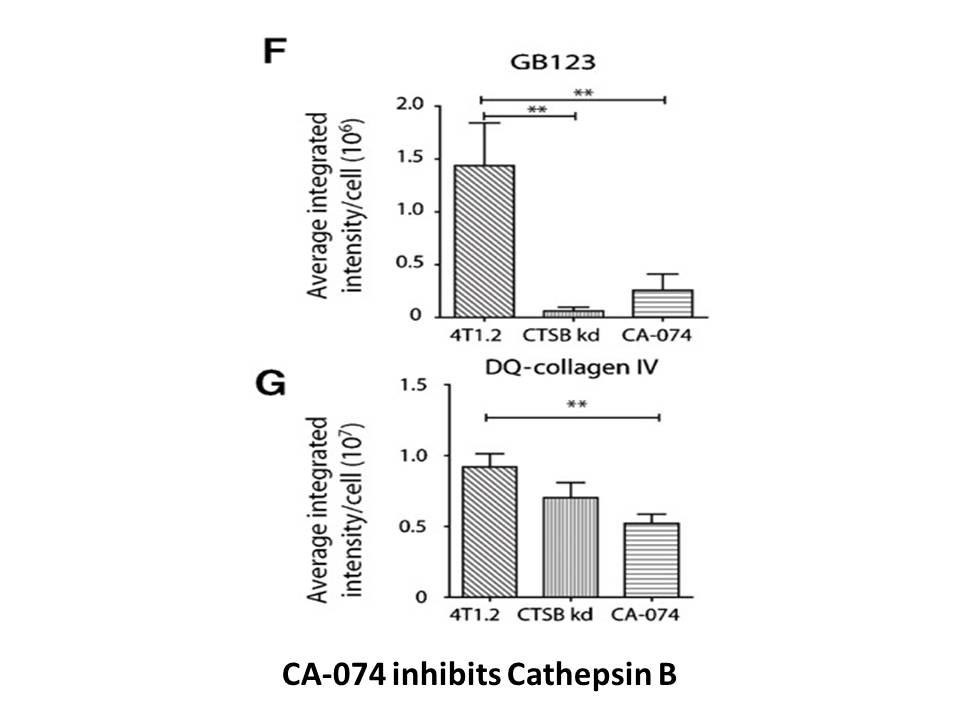
The second class of proteins necessary for maintaining Irsogladine dynamics is chromatin modifiers, which are considered ‘writers’ and ‘erasers’ and are responsible for modifications of histone N-terminal tails. These post-translational modifications can have direct or indirect effects on chromatin
-
Receptor guanylyl cyclases play essential roles in
2022-03-15
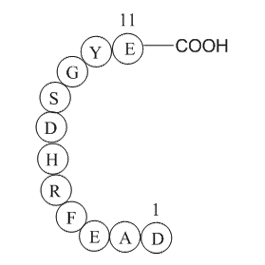
Receptor guanylyl cyclases play essential roles in cardiovascular and gastrointestinal (patho-)physiology, reproduction biology, cell proliferation, bone growth and sensory signal transduction and, therefore, are important pharmacological targets. Accordingly, the receptor guanylyl cyclase agonists
-
We addressed the role of GSNOR mediated T cell activation
2022-03-15
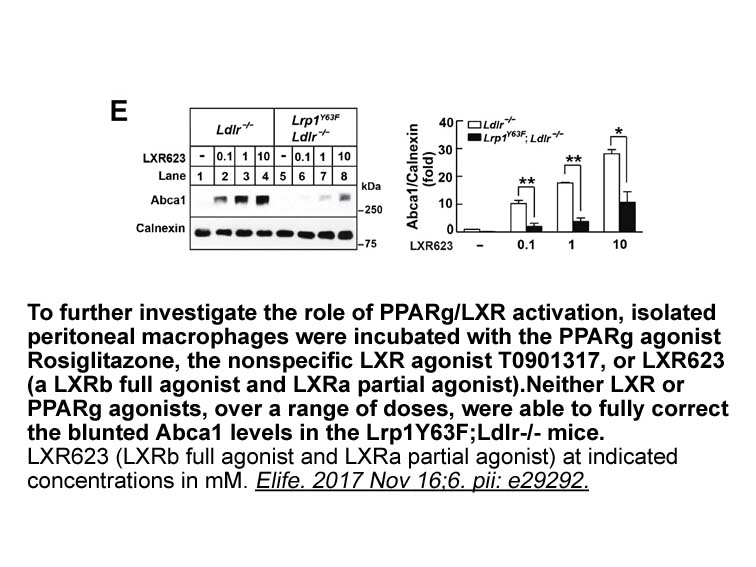
We addressed the role of GSNOR-mediated T-cell activation in HHcy-accelerated atherosclerosis in vivo by two mouse models. Generated for the first time, GSNOR-/-ApoE-/- double knock-out mice showed decreased atherosclerosis in aortic roots in response to HHcy. The specificity of GSNOR ablation in T
-
In this study we provide biochemical and immunohistochemical
2022-03-15
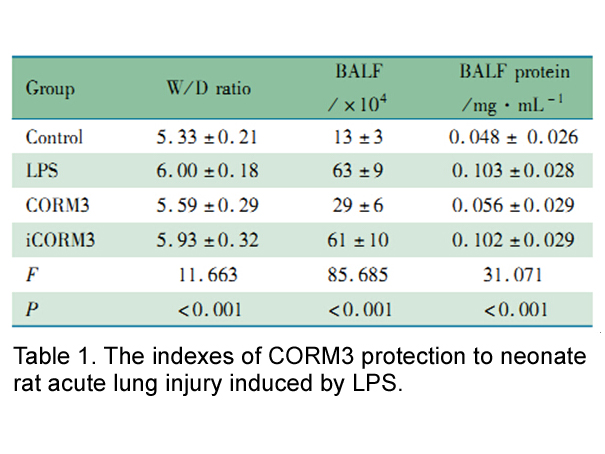
In this study we provide biochemical and immunohistochemical evidence for the localization of the glycine transporter GLYT1 in synaptic vesicles. Previously, it was thought that GLYT1 was exclusively a glial protein (Zafra et al., 1995a). However, due to a partial discrepancy between mRNA and protei
-
In silico analysis revealed structural similarities between
2022-03-15
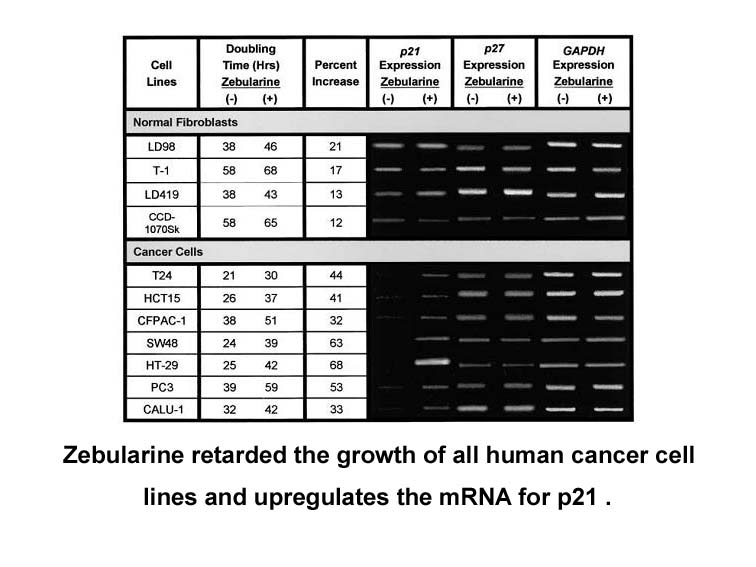
In silico analysis revealed structural similarities between the CpMutY and the EcMutY which share typical domains and structural motifs (Fig. 5), common to a wide range of structurally related DNA repair enzymes. These include an endonuclease III domain, involved in excision of damaged pyrimidines,
-
Herein we report the discovery of
2022-03-14

Herein, we report the discovery of AM-3189 (). AM-3189 maintains the in vivo efficacy of AMG 837 while displaying a superior pharmacokinetic profile and minimal CNS exposure. As we reported previously, activity on the GPR40 receptor varies significantly with substitution at the β-carbon relative to
-
To further investigate if GPR
2022-03-14
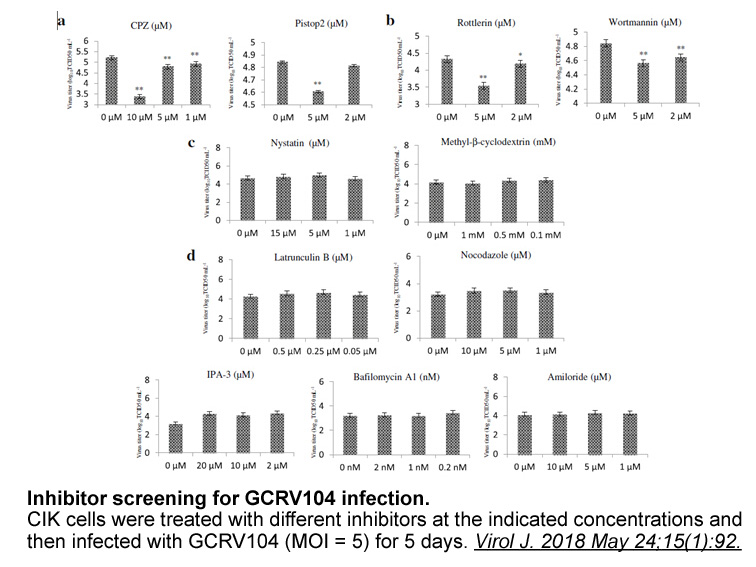
To further investigate if GPR40 was the functional target of these phenylpropiolic Decernotinib analogs, GW-1100, a selective antagonist of GPR40-mediated Ca2+ elevations in HEK293 cells with an IC50 value equal to 1 μM, was used to inhibit agonist-induced intracellular calcium flux [15]. HEK293-GP
-
The following are the supplementary data related
2022-03-14
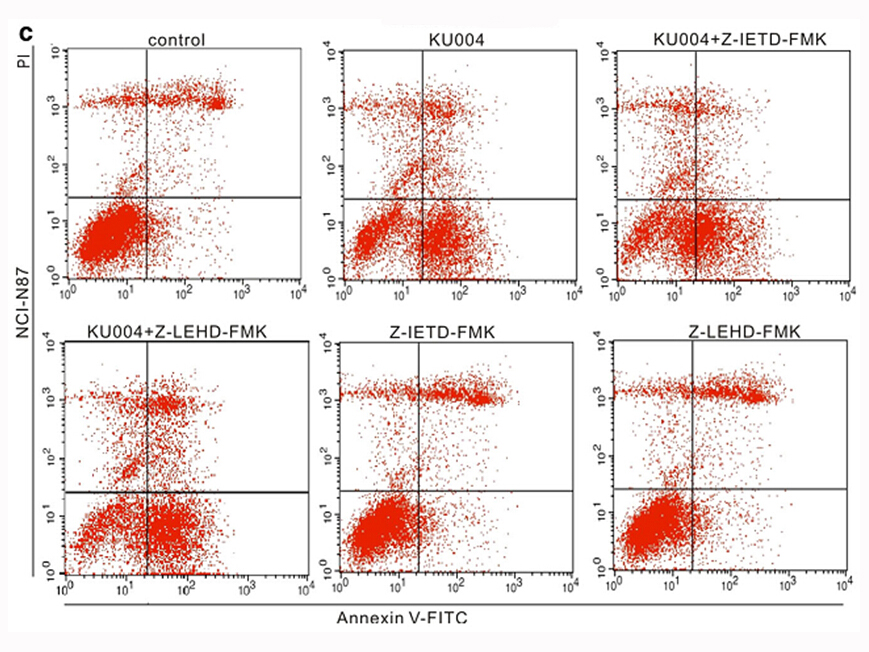
The following are the supplementary data related to this article. Conflict of interest Acknowledgements This work was supported by JSPS KAKENHI Grant Numbers 24770068 and 15K07152. Introduction Aminoacyl-tRNA synthetases (aaRSs) help maintain the genetic code by recognizing their cognate
-
The chemical structure of BAs consists
2022-03-14
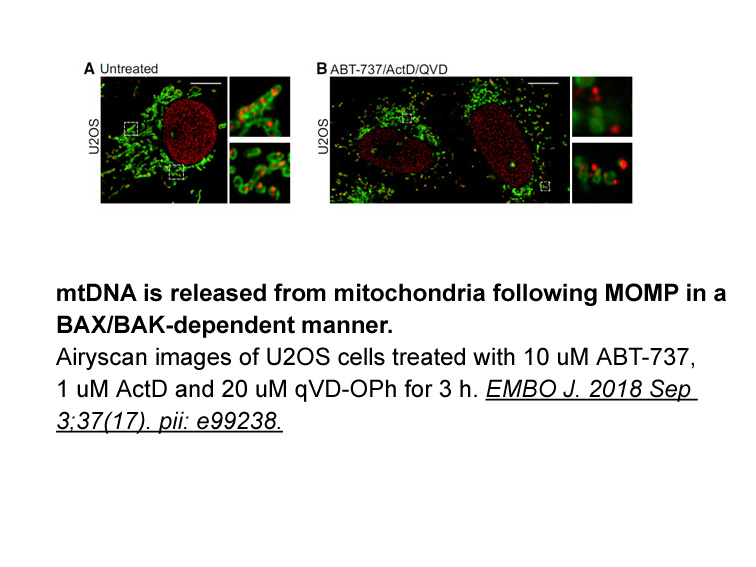
The chemical structure of BAs consists of a steroid nucleus with an acidic side chain. They are amphipatic molecules characterized by a hydrophilic α-face and a hydrophobic β-face. The hydrophobic pocket of the FXR LBD interacts with BAs largely through the β-face. The α-face contains several hydrox
-
Current studies have identified five orphan G protein couple
2022-03-14
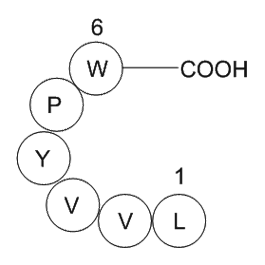
Current studies have identified five orphan G protein-coupled receptors (GPCRs) that can be activated by free fatty acids (FFAs), GPR40, GPR41, GPR43, GPR84, and GPR120. Short-chain fatty acids (FAs) are specific agonists of GPR41 and GPR43 [21] and middle-chain FAs agonize GPR84 [22]. Long-chain FAs
16520 records 500/1102 page Previous Next First page 上5页 496497498499500 下5页 Last page