Archives
- 2026-06
- 2026-05
- 2026-04
- 2026-03
- 2026-02
- 2026-01
- 2025-12
- 2025-11
- 2025-10
- 2025-09
- 2025-03
- 2025-02
- 2025-01
- 2024-12
- 2024-11
- 2024-10
- 2024-09
- 2024-08
- 2024-07
- 2024-06
- 2024-05
- 2024-04
- 2024-03
- 2024-02
- 2024-01
- 2023-12
- 2023-11
- 2023-10
- 2023-09
- 2023-08
- 2023-07
- 2023-06
- 2023-05
- 2023-04
- 2023-03
- 2023-02
- 2023-01
- 2022-12
- 2022-11
- 2022-10
- 2022-09
- 2022-08
- 2022-07
- 2022-06
- 2022-05
- 2022-04
- 2022-03
- 2022-02
- 2022-01
- 2021-12
- 2021-11
- 2021-10
- 2021-09
- 2021-08
- 2021-07
- 2021-06
- 2021-05
- 2021-04
- 2021-03
- 2021-02
- 2021-01
- 2020-12
- 2020-11
- 2020-10
- 2020-09
- 2020-08
- 2020-07
- 2020-06
- 2020-05
- 2020-04
- 2020-03
- 2020-02
- 2020-01
- 2019-12
- 2019-11
- 2019-10
- 2019-09
- 2019-08
- 2019-07
- 2019-06
- 2019-05
- 2019-04
- 2018-11
- 2018-10
- 2018-07
-
The differential tissue and ligand dependent signaling descr
2022-02-12
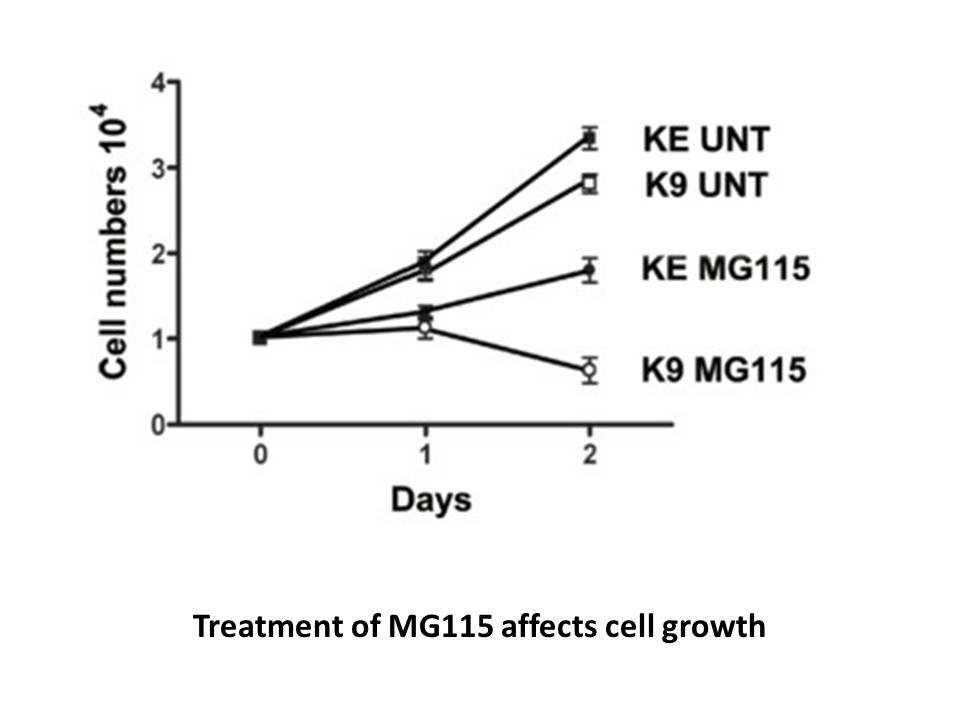
The differential tissue- and ligand-dependent signaling described here has important implications for the therapeutic potential of synthetic GPR109A agonists for the treatment of atherosclerosis. The failure of MK-0354, a biased, partial GPR109A agonist, to activate signaling pathways upstream of va
-
One clue to how evolution
2022-02-12
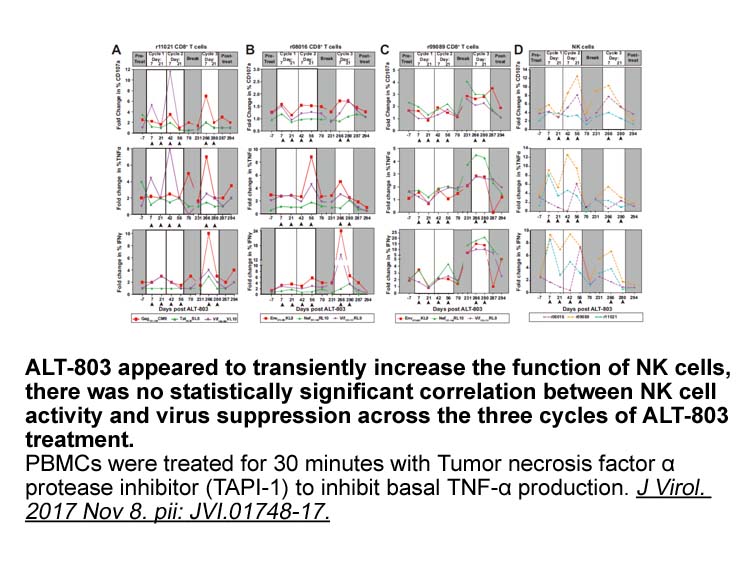
One clue to how evolution has solved such spatiotemporal challenges comes from studies revealing that lymph node (LN) organization is more complex than originally presumed, suggesting that steady-state microanatomical features are crucial for effective immune responses (reviewed by Qi et al., 2014).
-
Given that inactivation of GLO by BAB is an
2022-02-12
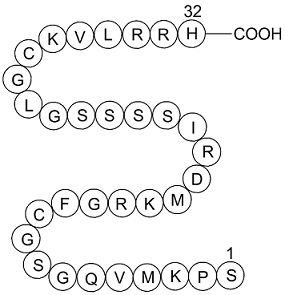
Given that inactivation of GLO1 by 4BAB is an active site directed mechanism, as the transition state analogue CHG protects GLO1 against inactivation by 4BAB (Figs. 2D and S6b), we next set out to determine the amino Parathyroid hormone (1-34) (human) sale that is covalently modified by 4BAB. From t
-
AFB Fapy dG has been long
2022-02-12
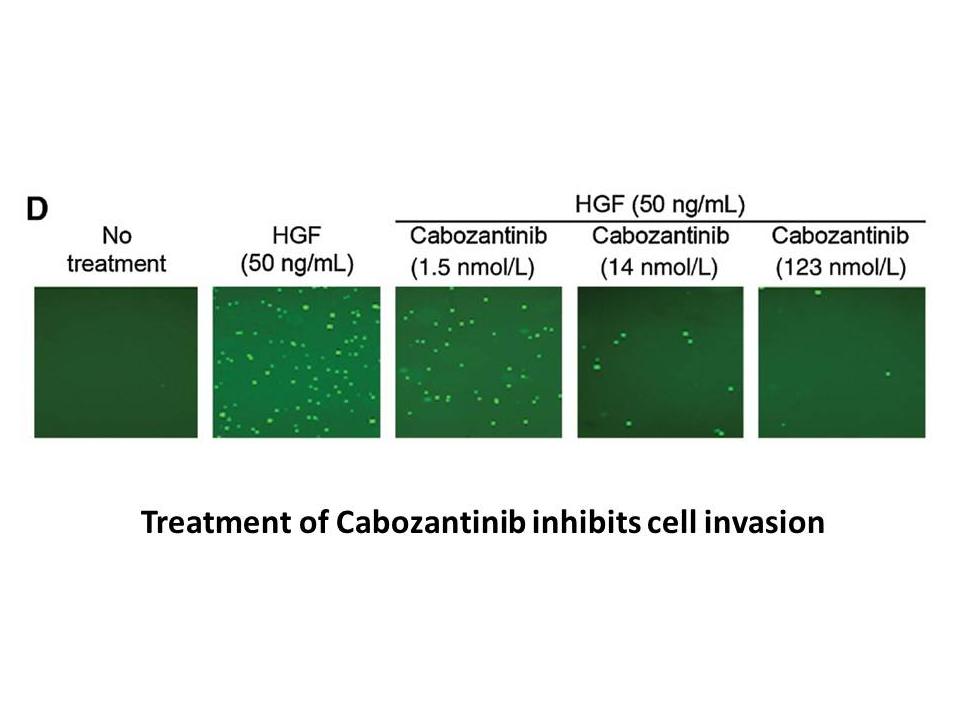
AFB1-Fapy-dG has been long recognized as a substrate for nucleotide excision repair [24,25]. However, we recently demonstrated that this lesion is removed by PX 866 mg excision repair. We showed that DNA glycosylase NEIL1, a member of the Fpg/Nei glycosylase family, could excise AFB1-Fapy-dG from si
-
br Conclusions In summary we have
2022-02-12
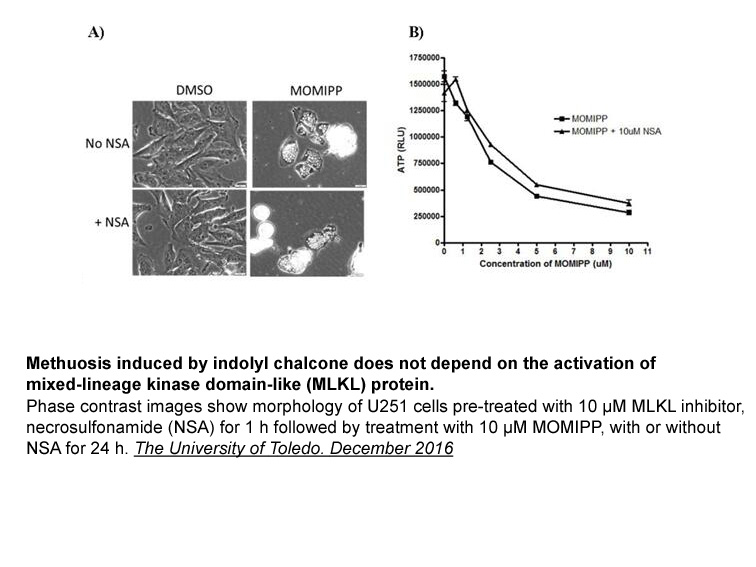
Conclusions In summary, we have designed an ultrasensitive electrochemical assay for hOGG1 based on a ratiometric strategy and HCR assisted amplification. The hOGG1 can specifically identify 8-oxo G site on the DNA probes modified on the electrode surface. The subsequent cleavage reaction trigger
-
Receptors for glucagon Gcgr GLP Glp r
2022-02-12

Receptors for glucagon (Gcgr), GLP-1 (Glp1r), and GLP-2 (Glp2r) are G-protein coupled receptors (GPCRs) belonging to class B-1 (secretin receptor-like) family of GPCRs (Harmar, 2001, Fredriksson et al., 2003). The mammalian Gcgr, Glp1r, and Glp2r genes, together with the saha histone for the recept
-
In accordance with its similarity to classical NLSs
2022-02-12
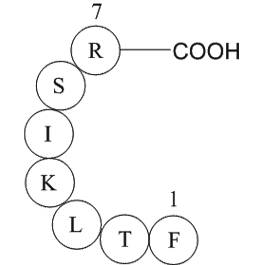
In accordance with its similarity to classical NLSs, Importin α3 was recently reported as a nuclear transport receptor for Ci (). We therefore superimposed the Gli1 NLS model with the Importin α2 structure (3EFX), which has a structure similar to Drosophila Importin α3 () (Fig. 4.4B). Gli1 NLS fitte
-
In the second part of this study we investigated the
2022-02-12
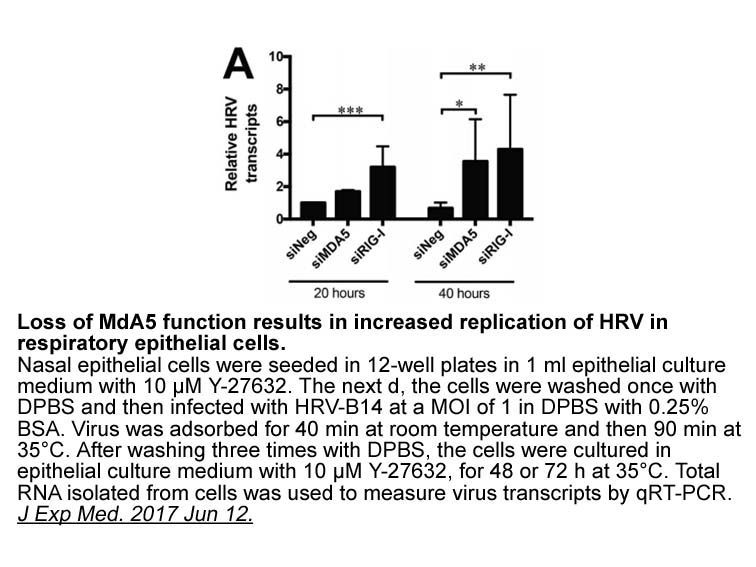
In the second part of this study, we investigated the influence of GH on the Chymostatin synthesis of the ghrelin receptor, GHSR-1a, at the mRNA and peptide levels in cultured whole follicles. Regulation of the expression of GHSR-1a has a key role in the actions of ghrelin in target tissues. Using
-
Azidobutyric acid NHS ester Hypocotyl development is a cruci
2022-02-12
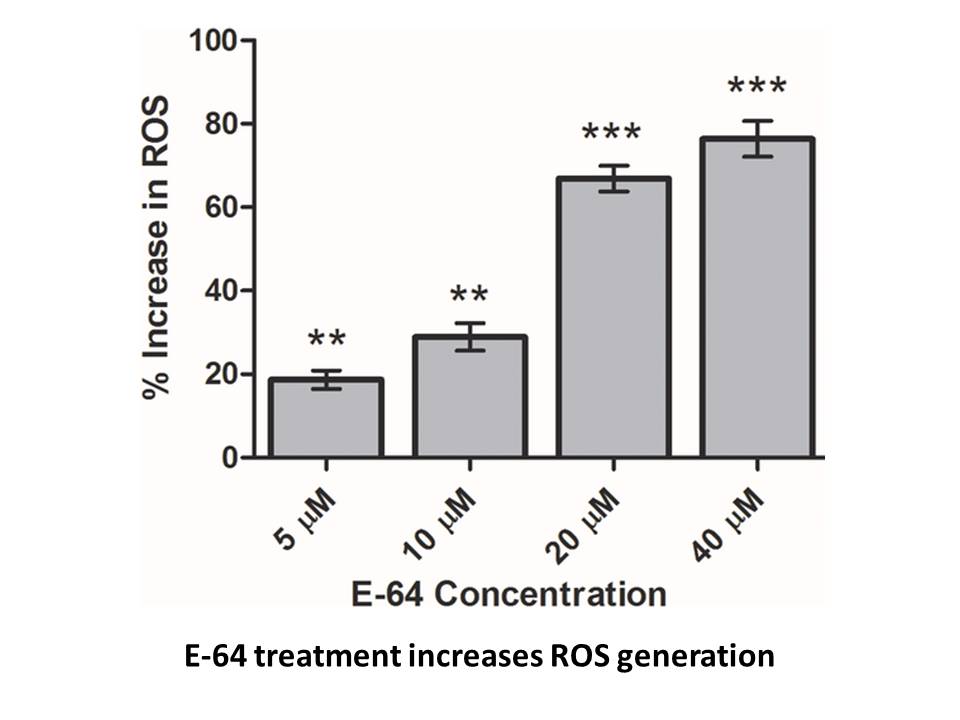
Hypocotyl development is a crucial phase of early vegetative growth that influences seedling vigor contributing to fitness and productivity of a plant system (Stinchcombe and Schmitt, 2006; Luo et al., 2017). The development of a hypocotyl is characterized by an initial slow growth phase followed by
-
We tested formyl MYVKWPWYVWL which we had previously shown
2022-02-12
We tested formyl-MYVKWPWYVWL, which we had previously shown to have essentially identical Kis for W190/N192, R190/K192 and R190/N190 [8] of 130 nM, for its ability to downregulate surface receptor (Fig. 5A). R190/K192 exhibited the lowest EC50 of 44±4 nM about 3 fold below the observed Ki and a maxi
-
Regulation of FGF signalling is critical
2022-02-12
Regulation of FGF signalling is critical to ensure a balanced response to receptor stimulation. This occurs largely through negative feedback mechanisms, including receptor internalisation via ubiquitination (Wang et al., 2002) and induction of negative regulators, for example SPRY, SPRED 1 and 2 an
-
The C terminal regions in both
2022-02-12
The C-terminal regions in both FGF19 and FGF21 define their KLB interaction [15], [16], [23], [25]. However, less than 40% identity in comparative alignment of C-terminal sequences for these two proteins (Table 1) suggests that their interaction with KLB may require higher-order association with oth
-
The typical pharmacophore for GPR agonists
2022-02-12
The typical pharmacophore for GPR40 agonists contains four parts: head (acid moiety), central (phenyl ring), linker and tail (aromatic carbocyclic or heterocyclic ring) [20]. On the other hand, the chemical features that are required for the PPARγ agonists include hydrogen bond donors and acceptors
-
The pharmacokinetic properties of were amenable to
2022-02-12
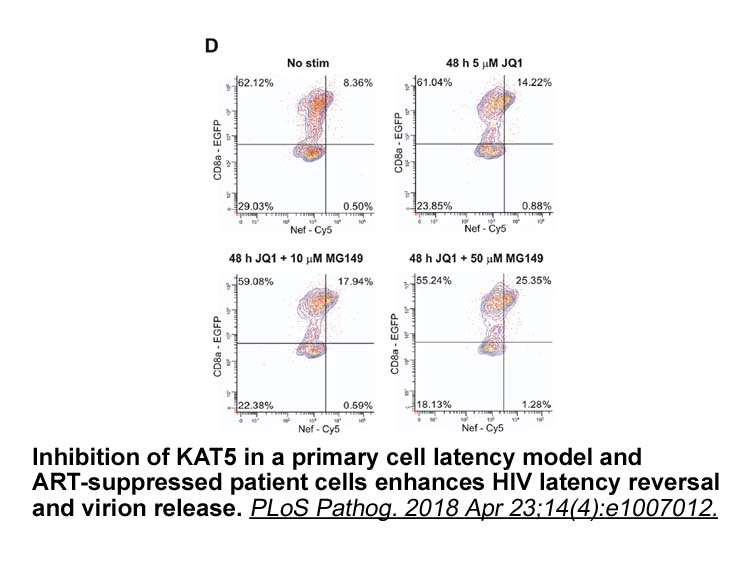
The pharmacokinetic properties of 12 were amenable to oral dosing allowing in vivo comparison to 6. Compared to a maximum efficacious dose of 6 (60mg/kg), 12 demonstrated improved glycemic control during OGTT in high-fat fed/STZ treated (HF/STZ) and BDF/diet-induced obesity (DIO) mouse models of typ
-
br Site of expression FASTK is expressed in various parts
2022-02-11
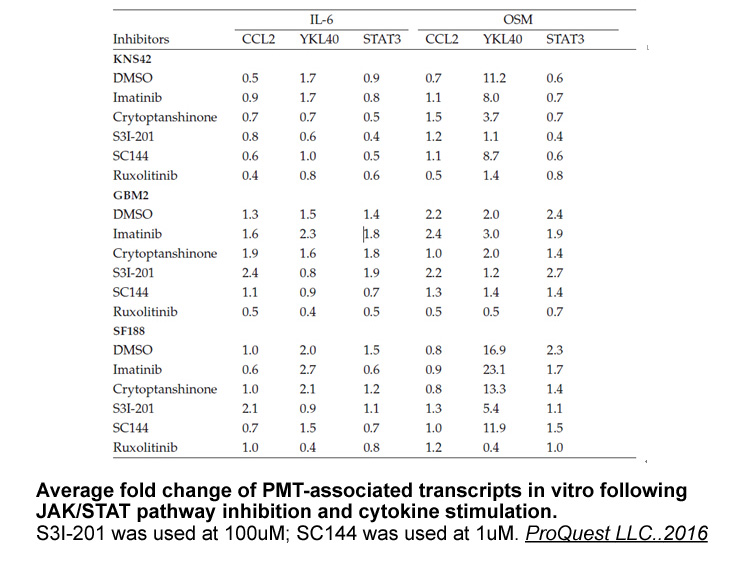
Site of expression FASTK is expressed in various parts of human body including heart, skeletal muscle, brain, placenta, lung, liver, kidney pancreas (Ota et al., 2004) and many other organs (Fig. 1). It has been reported that FASTK is highly expressed in pancreatic tumors, where it is involved in
16520 records 519/1102 page Previous Next First page 上5页 516517518519520 下5页 Last page