Archives
- 2026-06
- 2026-05
- 2026-04
- 2026-03
- 2026-02
- 2026-01
- 2025-12
- 2025-11
- 2025-10
- 2025-09
- 2025-03
- 2025-02
- 2025-01
- 2024-12
- 2024-11
- 2024-10
- 2024-09
- 2024-08
- 2024-07
- 2024-06
- 2024-05
- 2024-04
- 2024-03
- 2024-02
- 2024-01
- 2023-12
- 2023-11
- 2023-10
- 2023-09
- 2023-08
- 2023-07
- 2023-06
- 2023-05
- 2023-04
- 2023-03
- 2023-02
- 2023-01
- 2022-12
- 2022-11
- 2022-10
- 2022-09
- 2022-08
- 2022-07
- 2022-06
- 2022-05
- 2022-04
- 2022-03
- 2022-02
- 2022-01
- 2021-12
- 2021-11
- 2021-10
- 2021-09
- 2021-08
- 2021-07
- 2021-06
- 2021-05
- 2021-04
- 2021-03
- 2021-02
- 2021-01
- 2020-12
- 2020-11
- 2020-10
- 2020-09
- 2020-08
- 2020-07
- 2020-06
- 2020-05
- 2020-04
- 2020-03
- 2020-02
- 2020-01
- 2019-12
- 2019-11
- 2019-10
- 2019-09
- 2019-08
- 2019-07
- 2019-06
- 2019-05
- 2019-04
- 2018-11
- 2018-10
- 2018-07
-
br Introduction br Literature review and hypothesis developm
2020-06-13
Introduction Literature review and GS-9973 development CPA exam performance-related research has been of interest to academics for the past few decades. These studies have ranged from investigating the impact of the 150-hour requirement on pass rates (Allen & Woodland, 2006) to examining whet
-
Why are Tfh cell dynamics so fundamentally
2020-06-13
Why are Tfh cell dynamics so fundamentally different in naive and immune animals? Initially, GC amg 232 must pass stringent affinity and specificity checkpoints to ensure only high-affinity non-self-reactive cells are selected. Therefore, restricting primary Tfh cells with the greatest helper capaci
-
br Conclusion br Acknowledgments This
2020-06-12
Conclusion Acknowledgments This work was supported by Progetto PON - “Ricerca e Competitività 2007–2013” - PON01_01802: “Sviluppo di molecole capaci di modulare vie metaboliche intracellulari redox-sensibili per la prevenzione e la cura di patologie infettive, tumorali, neurodegenerative e lor
-
N Cyclopentylmethyl analog exhibited fold less potent recept
2020-06-12

N-Cyclopentylmethyl analog 25 exhibited 2.3-fold less potent receptor affinity and 1.6-fold less potent antagonist activity. Among the compounds tested, the N-isobutyl analog 23 showed the most potent EP1 receptor affinity and antagonist activity. In summary, a series of 4-( 2-[alkyl(phenylsulfonyl
-
Although PKC in cancer cells is known
2020-06-12
Although PKCδ in cancer fosaprepitant dimeglumine synthesis is known to promote antiapoptotic signaling, a cleaved form of PKCδ, δCF, has been reported to play a contrasting role in enhancing apoptosis (Reyland, 2007), and these complex functions appear to be cell-type dependent (Basu and Pal, 2010
-
br Cholesterol handling in the arterial
2020-06-12

Cholesterol handling in the arterial wall cells Foam cell formation in the arterial intima is a major hallmark of early-stage atherosclerotic lesions, which is attributed to uncontrolled uptake of modified lipoproteins, excess cholesterol esterification and impaired cholesterol release [44]. As a
-
Ozanimod br Conclusions In conclusion we identified
2020-06-11
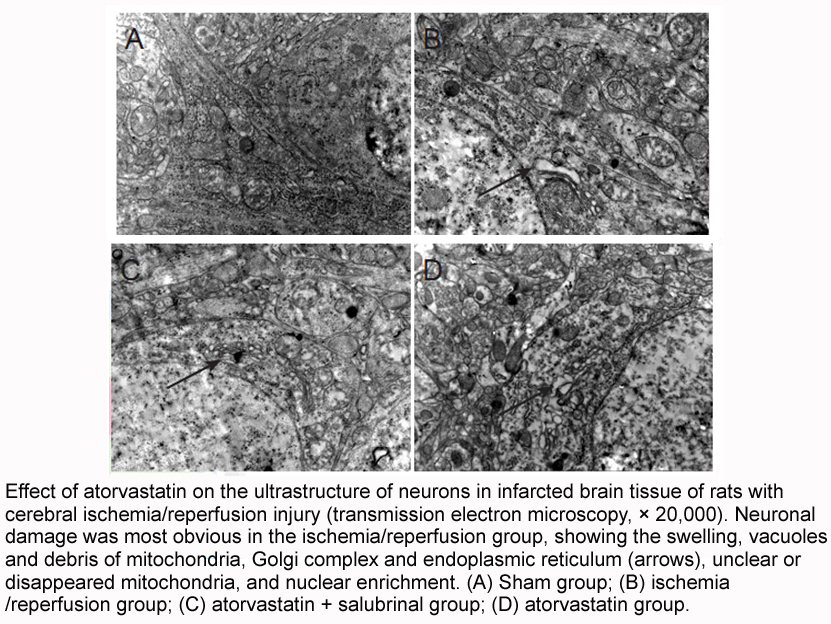
Conclusions In conclusion, we identified and overexpressed DGAT2 in fast growing, oleaginous N. oceanica for the first time. The engineered N. oceanica overexpressing DGAT2 resulted in enhanced neutral lipid accumulation and altered fatty Ozanimod composition. Altogether, our findings demonstrate
-
Similarly LTD concentration dependently enhanced AQP express
2020-06-11
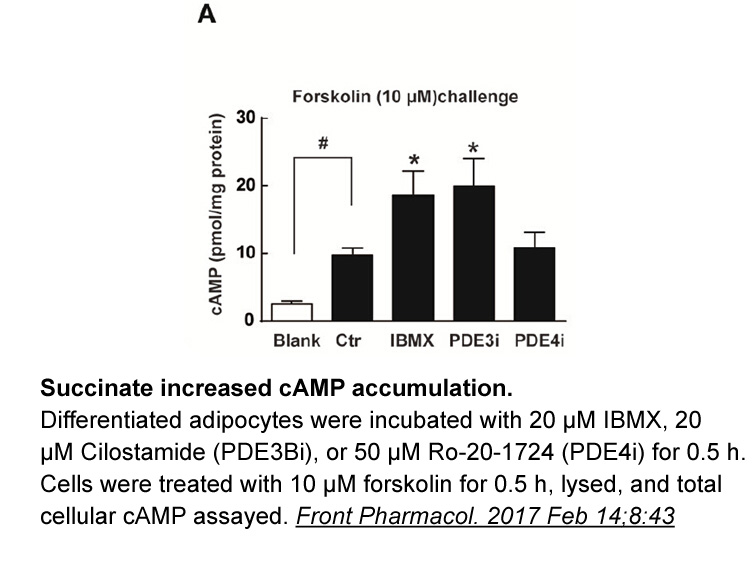
Similarly, LTD4 concentration-dependently enhanced AQP4 expression in astrocytes (Fig. 3). The LTD4-enhanced AQP4 expression was not affected by pranlukast but inhibited by Bay u9773, a non-selective CysLT1/CysLT2 receptor antagonist [33]. Because no selective CysLT2 receptor antagonists are current
-
Table shows all AP courses taken by
2020-06-11
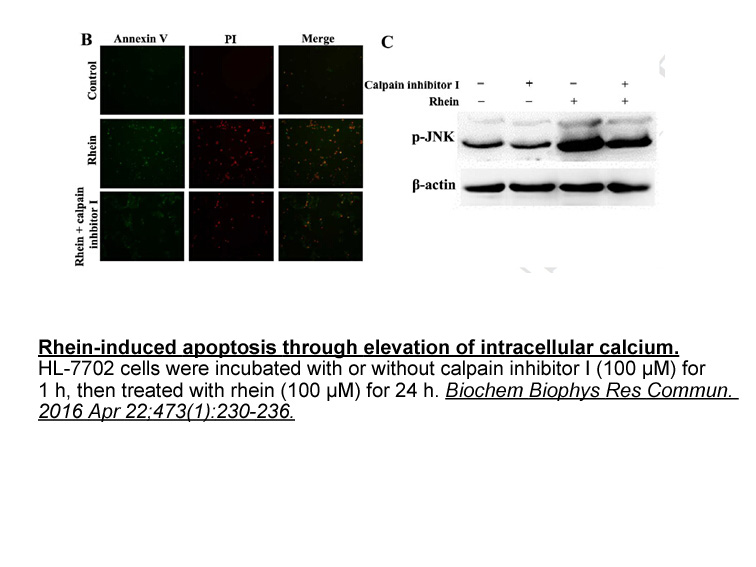
Table 5 shows all AP courses taken by participants, in descending order with respect to percentage of higher-order keywords. Table 5 also includes t-tests of mean differences for average CPA exam scores of participants who have taken (vs. not taken) AP courses (AP_ENGAGE), and average CPA exam score
-
cediranib sale The classification of CK substrates
2020-06-11
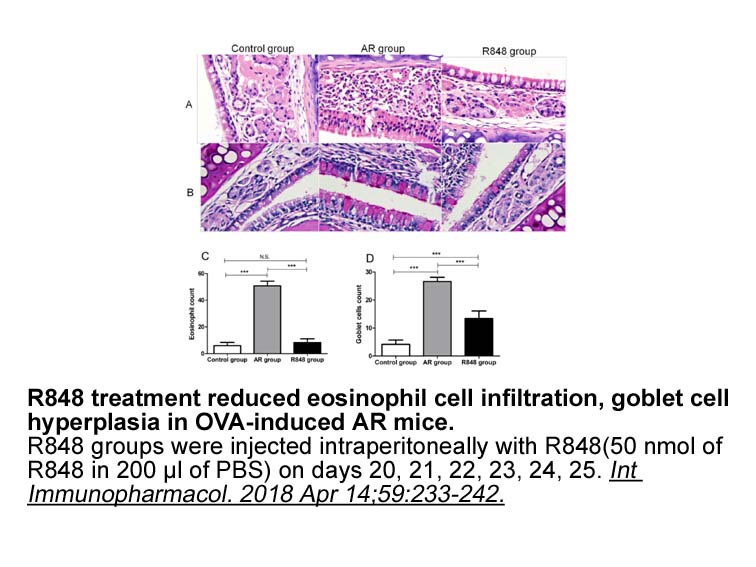
The classification of CK2 substrates based on active enzyme subunit composition provides a framework for understanding the regulatory function of CK2β subunit. However, few experiments exist that functionally explore such classification [17], [18], [19], [20], [21], [22], [23]; this reflects practic
-
mek162 Furthermore in silico physicochemical characters and
2020-06-11
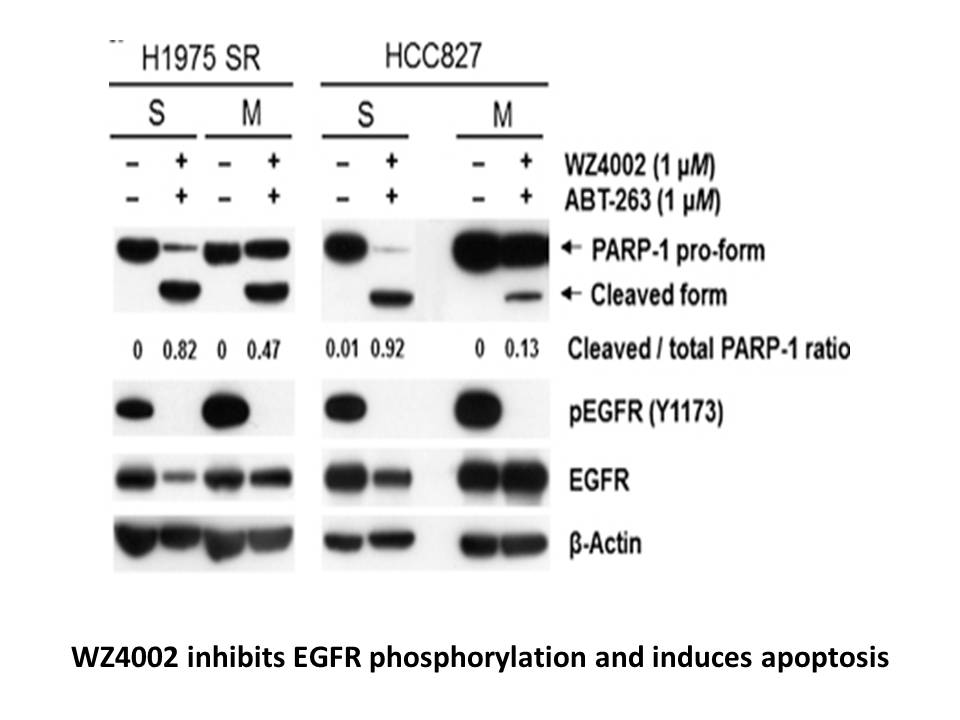
Furthermore, in silico physicochemical characters and pharmacokinetic parameters for the synthesized compounds were predicted using dedicated computer software [34], [35], [36] to ensure successful in vivo therapeutic activity. Practical logP testing was performed and compared to the theoretical val
-
br Disclaimer Statement br Introduction The erythropoietin p
2020-06-11
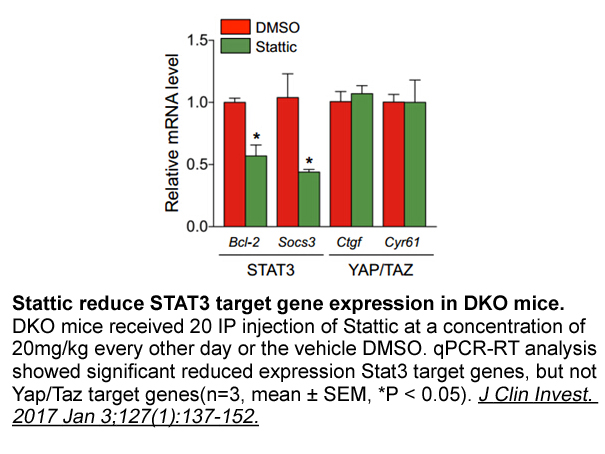
Disclaimer Statement Introduction The erythropoietin-producing hepatoma (Eph) receptors represent the largest class of receptor tyrosine kinases (RTKs). They are type I transmembrane proteins that interact with their membrane-bound ligands the ephrins and facilitate cell-to-cell contacts resul
-
Many studies have documented that enolase acts as
2020-06-11
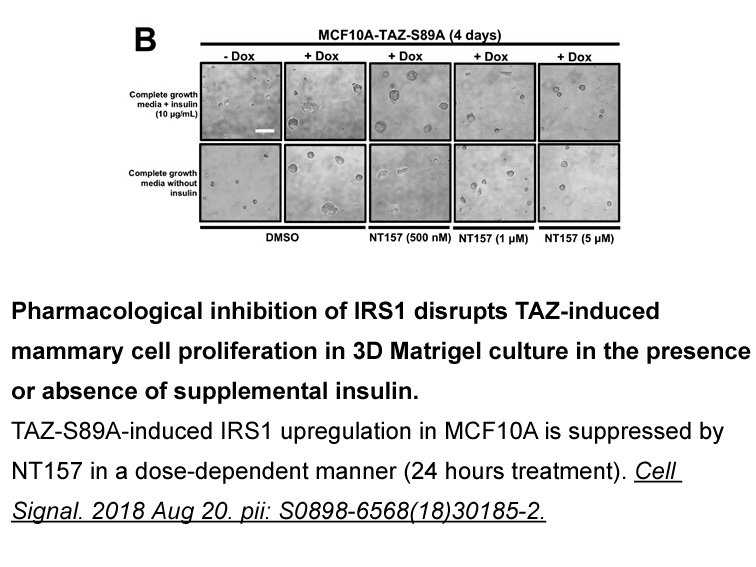
Many studies have documented that enolase acts as a plasminogen-binding protein and this interaction is involved in the tissue invasion and pathogenicity of the causative agents (Almeida et al., 2004; Avilan et al., 2000; Marcilla et al., 2007; Mundodi et al., 2008; Vanegas et al., 2007). Furthermor
-
Next we compared the protease specificity of viruses NS GFP
2020-06-11

Next, we compared the protease-specificity of viruses NS116-GFP/AE and NS116-GFP/AT for trypsin, neutrophilic elastase or supernatant of human neutrophils. For later purposes, we determined the viral yield in a co-cultivation system of infected Vero hematopoietic stem cells with human neutrophils.
-
Here we report that ILC
2020-06-11
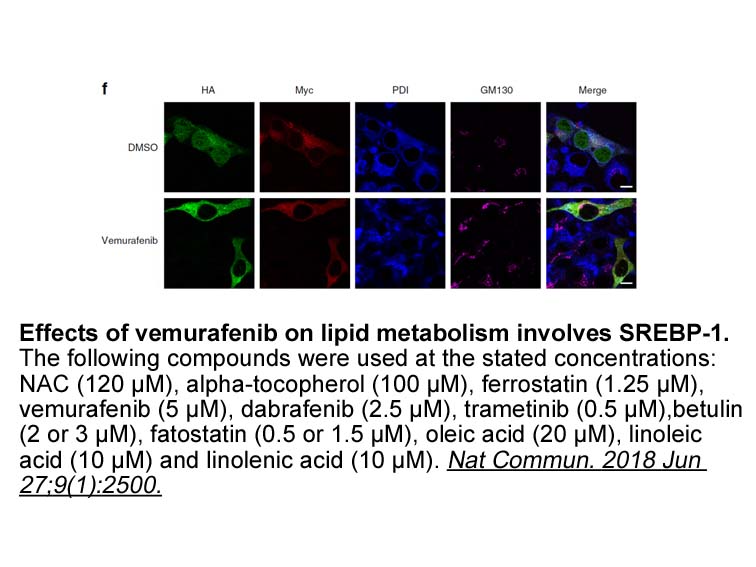
Here, we report that ILC3s sensed oxysterols through GPR183, which was highly expressed by LTi-like ILC3s. 7α,25-OHC-synthesizing enzymes were produced by fibroblastic stromal KU0059436 found in intestinal lymphoid structures, and the GPR183 ligand 7α,25-OHC acted as a chemoattractant for ILC3s. GPR
16526 records 855/1102 page Previous Next First page 上5页 851852853854855 下5页 Last page